| OCR Text |
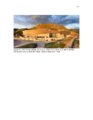
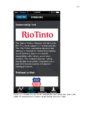
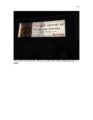
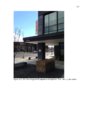
Show 183 museum goes way beyond just those things you see on the surface: the naming rights of the museum. I mean if you go up there you can see that it's called the Rio Tinto Center but…that's not the main reason we have been a long partner with them… I think if you were to ask the museum…their partnership with us is so unique, it's a public private partnership that takes the best of what both organizations can offer, to try to continue to improve in areas like sustainability, safety, and…those types of things. We still contribute in a lot of different ways in sharing safety-related things…Our emergency response coordinator here has helped with a number of drills up at the museum. So he'll go up there [when] they're gonna host a drill and he'll participate in the drill and then provide concrete feedback that they can action and…they in turn help us expand our outreach into the west side of the valley…it's a pretty unique partnership that demonstrates…what strong public-private partnerships can achieve. (Personal Interview, Rio Tinto Kennecott, February 2015) This excerpt demonstrates that Rio Tinto is committed to establishing strong ties with the Salt Lake community. The copper façade was not even their idea; it came from the architects who designed the building after an inspirational road trip with museum directors to parts of Utah. The Executive Director of the NHMU confirmed this when she detailed the careful consideration that went into the design and disclosed that she herself was inspired by the idea of a copper façade after visiting the de Young Museum in San Francisco, CA, which also has a copper exterior. Moreover, Rio Tinto's statement indicates that this public-private alliance is centered on mutual interests, including cultivating science-based education, creating a local, sustainable building, and emphasizing safety among workers and publics. NHMU personnel confirmed all three of these points, calling its relationship with Rio Tinto and other sponsors a "poster child of public-private [relations]" (Personal Interview, NHMU, March, 2015). So the philanthropic surname of the museum is important to Rio Tinto's image, but Rio Tinto is more than a name. It is a member of the community that cares about educating the public, and their children, about science. Rio Tinto achieves this by imbuing its identity into the architecture of the building and affiliating its name with the |