| OCR Text |
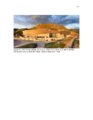
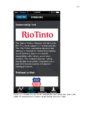
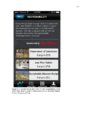
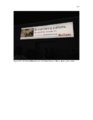
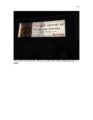
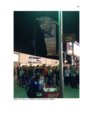
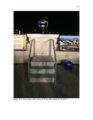
Show 182 opportunities. Since then, Rio Tinto has continued to support the NHMU by offering its support for public safety workshops and sponsoring special exhibits such as "Extreme Mammals." Rio Tinto's name is not just on the outside of the building, it is also inside, on the elevator system, on the entrance to the special exhibit, and on the NHMU's digital navigation portal called "Utah Trailheads." Rio Tinto does this because it has a vested interest in educating the public about science. This became quite clear in a personal interview with Rio Tinto's communications team after I asked what places such as the NHMU and the Rio Tinto Center do for Rio Tinto's corporate citizenship. I quote one response from the Principal Advisor for Sustainable Development at length. This quote should give the reader a sense for Rio Tinto Kennecott's perspective on this alliance with NHMU and the local community: … [It keeps] coming back to, "what are our business needs and what are the community's needs and where do those align?" And that's how we've identified where we want to partner in the community. So historically, or at least over the last five years, we've focused [on] education, environment, energy, and engagement…Education is an obvious one. It's very important not only for the mining industry but for the communities in which we locate and communities like Daybreak to have a well educated population to support that community into the future… We've actually been involved with the Natural History Museum for…over 40 years, probably even a little bit longer, but it just happened to be the right time for us and the right time for them to where we could come together and create this amazing place…that will live well beyond… our time here…That support of education is how we've made that commitment to the Natural History Museum of Utah, but it's also a continuation of the sustainability commitment as well…[The NHMU is] a LEED [Leadership in Energy and Environmental Design] gold certified building. And one of the components in building a LEED building is having regionally supplied materials. And so one of the things we've worked through as were going through the design of that building was…[to] have it blend in the environment…One of the architects came up with this idea that…"we'd like to have this copper paneling on the outside of the building." And so it made great sense for us. It really helped them with achieving some of the LEED objectives because it was a significant portion of the building that came from a regionally sourced…and so I think our partnership with the natural history |