| OCR Text |
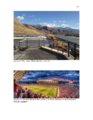
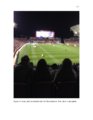
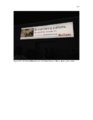
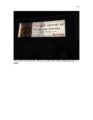
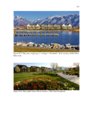
Show 46 public transportation system, Trax. This chapter assembles the fragments of context (McGee, 1990) to produce a coherent narrative about how Rio Tinto uses these rhetorical objects to sustain good corporate social responsibility. As I argue, networks, not reasons, stabilize an image of the Bingham Canyon Mine as a hallmark of industrial success. Through the Natural History Museum of Utah, the Rio Tinto Stadium, and Daybreak, Rio Tinto establishes itself as a citizen-subject that cares about the welfare of the Salt Lake Community and provides publics places for performing citizenship. At the museum, Rio Tinto associates its identity with the natural wonders of the world and allows visitors to become scientific investigators. At the stadium, Rio Tinto is part of a passionate fan culture that involves song, color coordination, and athleticism. Importantly, Rio Tinto is just one of many corporate subjects that create this contagious structure of feeling, and this gives a whole new articulation to the concept corporate community. The end of this chapter theorizes corporate bodies, and to accomplish this task, this researcher draws heavily from Gilles Deleuze. While Chapters 2 and 3 mostly engage with Bruno Latour, Chapter 4 makes a slight shift toward Deleuze's theory of immanence to better understand Rio Tinto's corporate subjectivity. The reason for this transition is simple: corporate subjectivity will become more complicated as this cartographer follows the network, and as such, more tools will be needed. Chapter 5 focuses on the cultural assemblage of corporate subjectivity with particular interest in how corporations brand their identities. Here, I argue that branding is the primary rhetorical strategy for securing a corporate identity that is not only desirable but fetishized. While numerous actants within corporate networks change as |