| OCR Text |
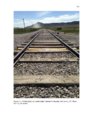
Show 143 Waite confirmed any doubts that Davis may have had, responding that, I think your mem. In the California Railroad Tax cases expresses with sufficient accuracy what was said before the argument began. I leave it with you to determine whether anything need be said about it in the report inasmuch as we avoided meeting the constitutional question in the decision. (in Hartmann, 2010, p. 36) As the legal history of corporations has turned out, this uncontested headnote was indeed enough to become a precedent in the eyes of the Court, and following the logic of stare decisis, it would be used to grant corporations greater equalities for years to come. In 1949, for example, Justice William O. Douglas wrote, "the Santa Clara case becomes one of the momentous of all our decisions…Corporations were now armed with constitutional prerogatives" (Douglas, 1949, p. 737). Santa Clara was part of a general Zeitgeist of postwar industrial fervor that was sweeping the nation. The railroads were also remembered as wartime heroes since they were the ones who developed the technology that allowed both sides, but particularly the Union, to develop technologies essential for strategic advantages against the Confederacy, such as the steamboat, the telegraph, and the steam-powered printing press (Arrington, 2014). Santa Clara, after all, occurred during a time when capitalism was demonstrating its potential for unfettered economic redevelopment that could potentially reconstruct the war-torn nation by repurposing its tools of war into tools for consumption. It therefore appears that Santa Clara was a shining moment for corporate equalities, since it extended a constitutional amendment intended to secure the equalities of freed slaves to economic stakeholders who were usually White. However, many of the assumptions about what qualifies as a constitutional subject were determined in the years after this decision was rendered. This time around, as corporations were growing |