| OCR Text |
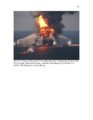
Show 304 until now is how bp hid that massive amount of oil from TV cameras and the price that this ‘disappearing act' imposed on clean up workers, coastal residents, and ecosystem of the gulf" (para. 13). Although these arguments may have had some resonance with other outraged audiences, it is important to keep in mind that at the end of the day bp is still one of the world's top producers of oil. bp's networks are still larger, and stronger than those accusing the company of malfeasance. Oil spills and other environmental catastrophes may damage a corporate subject's persona, but they are not necessarily enough to topple the network, at least in bp's case. Even though the disaster cost bp $43.5 billion for disaster relief, including cleanup costs, and the third phase of a New Orleans federal civil suit is still pending with the United States' attempting to pin bp with the maximum penalty of $13.5 billion under the Clean Water Act (Reed & Krauss, 2015), bp is still one of the world's top five oil producers (Agnihotri, 2015) in a global economy that needs oil. In 2014 total revenue was $353.57 billion, which is down 21% from the previous quarter, but this was largely because oil prices have dropped, which has forced bp to make a few multi-billion dollar write-offs on the values of assets in the North Sea and Angola. bp is still "an integral part of the ‘Big Oil' group" and maintains operations in nearly 80 countries (Agnihotri, 2015, para. 21). Actually, in 2014, bp was the third most profitable energy company in the world, with more than $23 billion in profits (Hess & Frohlich, 2014). Thus, the scale of this corporate subject remains colossal, and even though bp may have failed to repair its damaged network, the visual corporate subject is still moving forward. Compared to the global networks of bp's corporate subjectivity, Deepwater Horizon is a minor event that temporarily antagonized its networks. Perhaps this is what |