| OCR Text |
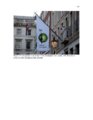
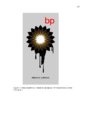
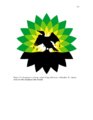
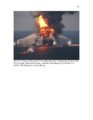
Show 270 Arguments, though, do not have to be true to be effective; they just have to be forceful. bp's new logo made an argument that was compelling - though perhaps not substantive, as Toulmin (1958) would say - not because of the reasons that it provided to support this claim, but because it created affects that got people to think differently about bp's industrial activities. This also created new argumentative lines of flight about the actions bp was taking to help keep our planet clean, which "expand[ed] the range of relevant rhetorics in social controversies by generating new lines of argument" (Delicath & DeLuca, 2003, p. 327). Since meaning and subjectivity are constituted by discourse, corporate image events are quintessential to the argumentative production of corporate subjects that may become objects of social protest. For instance, Greenpeace's appropriated logo with a pelican drenched in oil in the foreground of the helios argues that bp is a baron of fossil fuels that will stop at no cost to extract its oil, and because bp's logo made this political act possible, it is quite obvious that its logo is the starting point for this visual argumentation to occur. Subjectivity is thus a visual and rhetorical possibility open to new articulations, identifications, appropriations, and logos are argumentative because they are affectively forceful. Like Greenpeace's image events, these fragmented arguments are also staged. Logos Establish Corporate Personas Logos also stabilize corporate personas by producing affects that enable publics, critics, and social protestors to build relations with a perceived personality of a corporate subject. As a derivative of the relations established between corporate subjects and the assemblages that give them force, the corporate persona, as a supplement to the second |