| OCR Text |
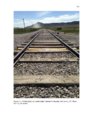
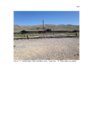
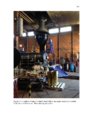
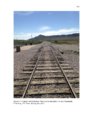
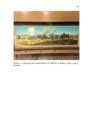
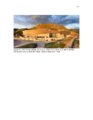
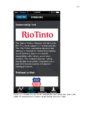
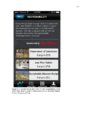
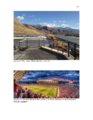
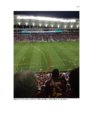
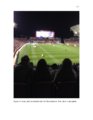
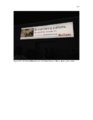
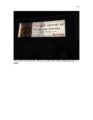
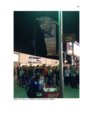
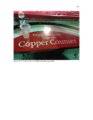
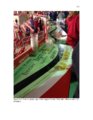
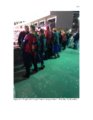
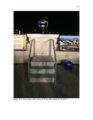
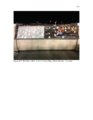
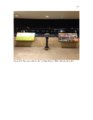
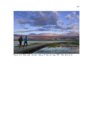
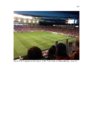
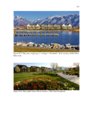
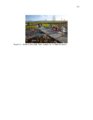
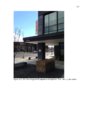
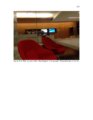
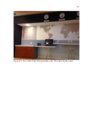
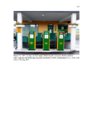
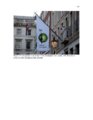
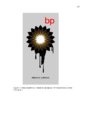
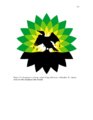
Show 324 interpretations are formatted, we can now go a little further and try to understand how this social theory can empower. It really is time to virtualize Paris, to increase its temperature." - Bruno Latour and Emilie Hermant, "Paris: Invisible City," p. 96 In "Paris: Invisible City," Latour and Hermant (1998/2006) argue that we can only see vast networks, such as Paris, from certain perspectives, and never all at once. Seeing Paris all at once, from high and mighty observatory towers is to see nothing at all. It is an invisible city because one can never fully grasp its complexities, nuances, and subtle intonations. "Paris first has to become small," (p. 3) because all we have are close encounters and fractal coherencies that get us to think tactically, like a network. Let us not be estranged from our own social theories that say what Paris, or a corporation, should look like, because there is a whole world out there unknown to the Social Theorist, especially the humanist. If we only open our eyes, and follow the network, we may begin again, and give a whole new meaning to the term, "close reading." Now that our journey is through, there is only one question: did our "sociological opera," our "diorama for grown ups" (Latour & Hermant, 1998/2006, p. 101) work? Perhaps we should start by recounting what we did. To get a glimpse, and only a glimpse, of the corporate subject, this cartographer has provided a map of corporate encounters. We have seen images of trains, railroad tracks, information signs, museum artifacts, stadium billboards, screens, signs, logos, and advertisements. The purpose of tracking these inscripted movements, and discussing their waves and intensities has been to get a glance of corporations from their perspective, and never all at once. Corporations exceed our human conceptualization of subjectivity. They are nonhuman, nonsentient, and without animalistic bodies or consciousnesses. Nonetheless, |