| OCR Text |
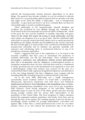
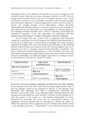
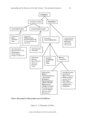
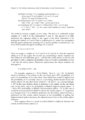
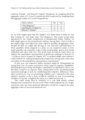
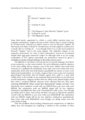
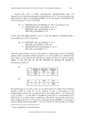
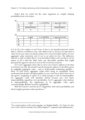
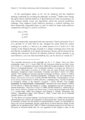
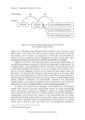
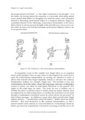
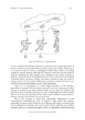
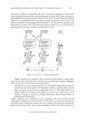
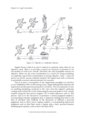
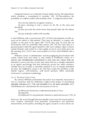
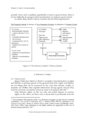
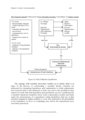
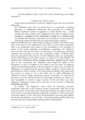
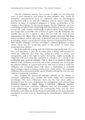
Show Rationality and the Structure of the Self, Volume I: The Humean Conception 437 well-ordered society consists. Nor, if either the metaethical or the normative scheme does not, whether it is our commonsense moral intuitions, the description of the original position, or the statement of the two principles of justice that should be rethought. In later sections, I show that we need to be able to make these assessments of Rawls's scheme, independently of the Instrumentalist strategy by which he first attempts to justify it; and that his later revisions of this strategy retain its deductive character while jettisoning its Instrumentalism (recall that Instrumentalism is just one kind of Deductivism). Rawls's concept of wide reflective equilibrium allows us to make these assessments. He distinguishes three elements in the justification of his theory of justice. The first would consist in showing that the original position expresses shared, weak assumptions that we accept about the conditions of rationality and impartiality under which principles of justice should be chosen (TJ 19). The second would show that the two principles of justice derived from these conditions express or extend our basic moral intuitions about a just society, or enable us to resolve cases in which our intuitions are unsure (TJ 21). The third combines the first two: We try to achieve narrow reflective equilibrium between the first two elements - the original position and the two principles of justice - by checking each against the other in relation to the third: our basic moral intuitions. We examine or modify the statement of the two principles in relation to the construction of the original position that generated them, with an eye to maximizing their coherence with one another, as well as with our commonsense moral intuitions. By aiming to maximize the coherence of all three elements - the description of the original position, the statement of the two principles of justice, and our commonsense moral intuitions, we enter into a process of self-scrutiny in which we gradually and reflectively articulate considered moral judgments (TJ 47-48), leaving open the possibility that any of the three may undergo radical revision in the process. We then try to achieve wide reflective equilibrium by testing and revising these considered judgments in light of hard cases that may challenge them and other theories of justice - Classical Utilitarianism most importantly, for Rawls, but others such as Marxism and Perfectionism as well - that offer competing principles of distribution (TJ 49-50). Rawls's overall scheme in wide reflective equilibrium would then look this way (note the bidirectionality of some arrows of influence): © Adrian Piper Research Archive Foundation Berlin |