| OCR Text |
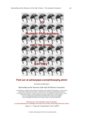
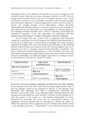
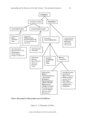
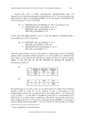
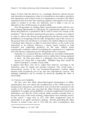
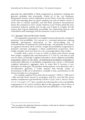
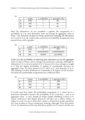
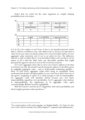
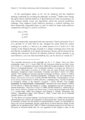
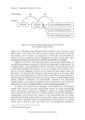
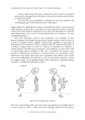
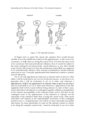
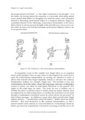
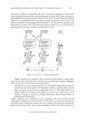
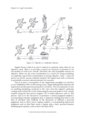
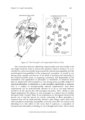
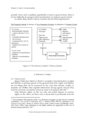
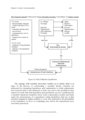
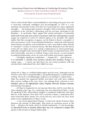
Show Chapter VII. Nagel's Internalism 298 Figure 11. Objective vs. Subjective Reasons Nagel's thesis is that if an end or interest is a genuine value, then it is an objective value. That is, it provides a reason for everyone to promote it, for one another as well as for oneself. Therefore, the only acceptable reasons are objective. When we cite some consideration as a reason for doing something, we implicitly regard that consideration as having objective value - value not just for us, but for anyone similarly situated. We regard such ends or interests as potentially common rational pursuits for everyone. This is, in part, a consequence of our impersonal conception of ourselves as one inhabitant of the world among many. Nagel distinguishes between the impersonal and the personal perspective as follows. The personal point of view on anything (including ourselves) is the view from the subject's particular vantage point within the world. Expressing the personal point of view usually requires using the first person singular ("I") or token-reflexives such as "this person." Just as in the discussion of prudence a tensed judgment implied a corresponding tenseless judgment plus a statement relating that time to the time of utterance (61), similarly in the discussion of altruism a personal judgment, such as that I need a laptop, implies a corresponding impersonal judgment, such as that Piper needs a laptop, plus a basic personal premise identifying the speaker, such as that I am Piper (103). © Adrian Piper Research Archive Foundation Berlin |