| OCR Text |
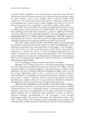
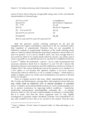
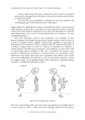
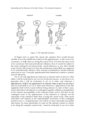
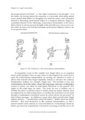
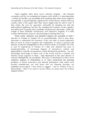
Show Rationality and the Structure of the Self, Volume I: The Humean Conception 45 rationality of their views. Rational considerations can cause a change not only of mind or heart. They also can cause a change in behavior as well. They can change what we teach, what we say, how we comport ourselves, and - at the very least, for whom we vote. A Kantian conception of the self acknowledges the motivational influence of rational argument on action from the outset. In speech and writing, Kantian moral philosophers exploit rationality unapologetically, through appeals to conscience and reason, and reminders of who and what we are and where our responsibilities as rational agents lie. The challenge Kantian metaethics faces is then to articulate convincingly the metaethical conception of the self, rationality, and motivation that best explains its practical import. Volume II attempts to meet this challenge. I do not expect that any of these lines of argument will necessarily compel all, or perhaps even most, Humeans and Humean Anti-Rationalists to see the error of their ways or reform them accordingly. For in the end these arguments presuppose the value of transpersonal rationality as the defining element in the structure and conation of the self. They presuppose that one is prepared, not only to recognize transpersonal rationality as definitive, but also to valorize its character dispositions, as a "slave morality" does. As in any philosophical disagreement, philosophical opponents may ascribe to the same rational consideration very different weights, and what is a conclusive reason to one may be an irrelevant non sequitur to another: THE KANTIAN: THE ANTIRATIONALIST: But X is irrational! THE HUMEAN: But X is irrational! But X is irrational! But Y is counterintuitive! But Y is counterintuitive! But Y is counterintuitive! But Z is unsatisfying! But Z is unsatisfying! But Z is unsatisfying! So even if I succeed in making a plausible case that reason has this centrality in the structure of the self, I have still relied on and presupposed the value of the very capacity I mean in my argument to valorize. A real Humean AntiRationalist who disparages the value of transpersonal rationality will therefore accord little value to my transpersonally rational arguments that transpersonal rationality has value. Indeed, I will have trouble getting her to read this project. If my reader is a real Humean Rationalist, for whom transpersonal rationality has value but no motivational efficacy, my arguments will then provide him no motivation to rethink his values, no matter how persuasive those arguments may be. Perhaps only Hobbes' astute - and rationally persuasive - observations on the necessary transience and © Adrian Piper Research Archive Foundation Berlin |