| OCR Text |
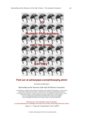
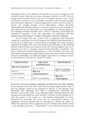
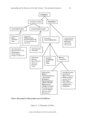
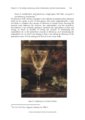
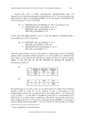
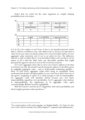
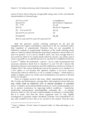
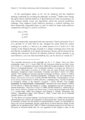
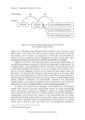
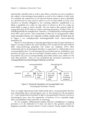
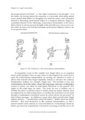
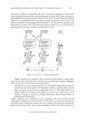
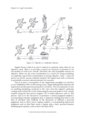
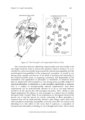
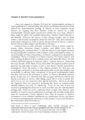
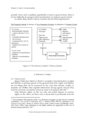
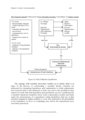
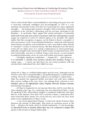
Show Chapter VII. Nagel's Internalism 286 Figure 9. Timeless vs. Dated Reasons So, for example, if becoming a lawyer is a reason for me to take the LSATs, it is also a reason for me to pass them, and also to go to law school. Moreover, it is a reason for me to work as a paralegal not just today, when I am feeling ambitious, but all summer, although the weather is pleasant and the outdoors beckons. Similarly (to take Nagel's own example), if my future vacation in Italy is a reason for me to learn Italian now, it is also a reason for me to speak it fluently when I am there. Finally, my future vacation in Italy, by virtue of being a reason for me to learn Italian now, becomes a reason for me to now enroll in Conversational Italian, Level I at the university. Thus it is a consequence of what Nagel describes as the "timeless generality of reasons" that my future ends give me not only present, dated reasons to perform acts that promote them (e.g. to take the LSATs), but present reasons to perform acts (e.g. to work as a paralegal) for which I expect there to be a reason in the future. If my future end is indeed a reason, then it is always a reason; and a fortiori, it is a reason now. But is this enough to defeat the unpalatable implications of the extraordinary interpretation? Even if Nagel is right about the timeless generality of reasons (and I think he is), conferring this status on certain ends is not sufficient to motivate one to act in their service without some further element, such as an occurrent thought, belief, or expectation about them, that © Adrian Piper Research Archive Foundation Berlin |