| OCR Text |
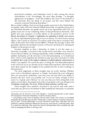
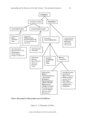
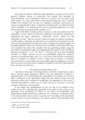
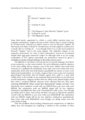
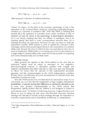
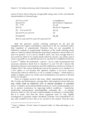
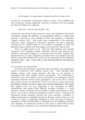
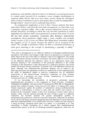
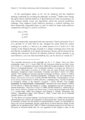
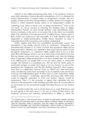
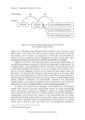
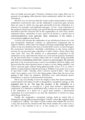
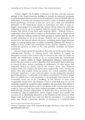
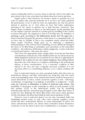
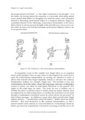
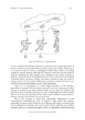
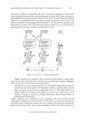
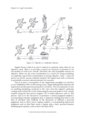
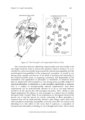
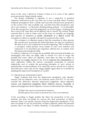
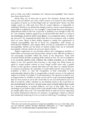
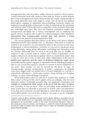
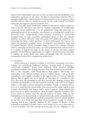
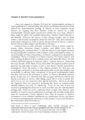
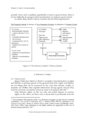
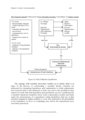
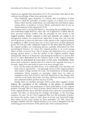
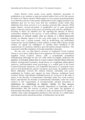
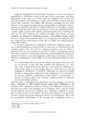
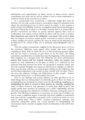
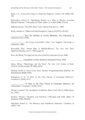
Show Chapter V. A Refutation of Anscombe's Thesis relationship: element: (α) (1) (β) (2) act(ivity) 212 final end (=CPV) (3) value-conferring propert(ies)1 value-conferring propert(ies)2 value-conferring propert(ies)3 . . . Figure 4. Structural Relationships among Basic Elements of a Normative Value Theory Figure 3 is a schematic representation of the fact that in any normative value theory, there is an end to be achieved that is taken to have moral worth (2) and actions, sets of actions, or programs of action that are prescribed to achieve it (1). In addition, there are properties of that end (3) that, when enumerated, explain why that end is morally worthwhile or valuable. Different normative value theories tend to construe the relationships (α) and (β) between these elements (1), (2) and (3) differently. Utilitarianism, for example, makes a sharp distinction between the action (1) and the final end it is intended to promote (2); whereas, as we have already seen in Section 2.2, a theory of moral obligation such as Ross's makes the prescribed actions (1) themselves the final end (2). Similarly, Perfectionism throws into sharp relief the value-conferring property of that end (3), namely that human potential is thereby fully developed and exercised; whereas Moore's Ideal Utilitarianism makes aesthetic experience an intrinsically valuable end apparently independently of any further properties it may be presumed to have. Here the final end (2) as such is identical with its value-conferring properties (3). In Section 2 I observed that normative value theories do not uniquely specify their internal structural relationships merely by using terminology such as "promotes," "conduces to," "furthers," "realizes," or "makes possible." 27 This is because all these terms are neutral between causal and constitutive relationships, and between the actions to be performed and the values stipulated by the theory that confers moral worth on these actions. We assume that if a theory identifies itself as consequentialist, relationship (α) is essential causal, and so that the terms just listed are to be understood causally or 27 This last is Kant's locution. © Adrian Piper Research Archive Foundation Berlin |