| OCR Text |
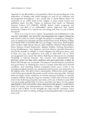
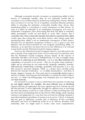
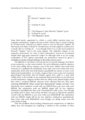
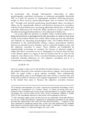
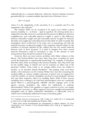
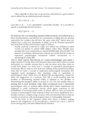
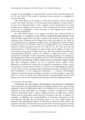
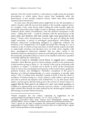
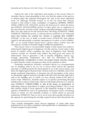
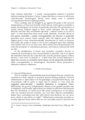
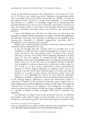
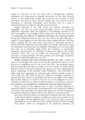
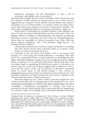
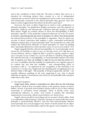
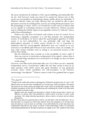
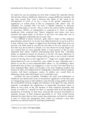
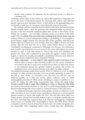
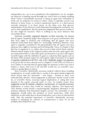
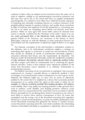
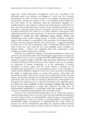
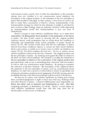
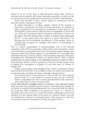
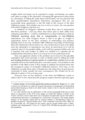
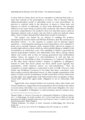
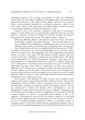
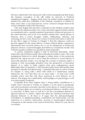
Show Rationality and the Structure of the Self, Volume I: The Humean Conception 145 (a) THE C ONTRA-G [VON NEUMANN-MORGENSTERN] SORITES PARADOX (i) A weighted preference alternative of zero probability has no aggregate value. (ii) A weighted preference alternative of (0 + .000000000001) probability has no aggregate value. (iii) A weighted preference alternative of (0 + .000000000002) probability has no aggregate value. . . . (iv) ∴ A weighted preference alternative of .2 probability has no aggregate value. (v) ∴ No weighted preference alternative of any probability has aggregate value. (b) THE PRO-G [ALLAIS] SORITES PARADOX (i') A weighted preference alternative of .2 probability has aggregate value. (ii') A weighted preference alternative of (.2 - .000000000001) probability has aggregate value. (iii') A weighted preference alternative of (.2 - .000000000002) probability has aggregate value. . . . (iv') ∴ A weighted preference alternative of 0 probability has aggregate value. (v') ∴ Every weighted preference alternative has aggregate value regardless of its probability. In both (a) and (b), the conclusions (iv)-(v) and (iv')-(v') respectively are false. In both (a) and (b), the first three members of the infinite series of premises [(i), (ii), (iii) …] and [(i'), (ii'), (iii'), …] respectively are true. But in the infinite series of premises neither of (a) nor of (b) is there a cut-off point that decisively marks the distinction between having aggregate value and having none; nor, therefore, a viable criterion for excluding Allais assignments from the corresponding preference rankings. The concept of aggregate value is vague. Stephen Schiffer proposes to solve the sorites paradox by narrowing the scope of the principle of bivalence in classical logic - i.e. that every proposition is either true or false. For Schiffer, whether bivalence applies to non-tautological propositions containing vague concepts - i.e. those without © Adrian Piper Research Archive Foundation Berlin |