| OCR Text |
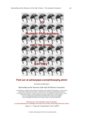
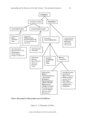
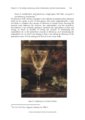
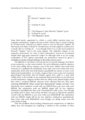
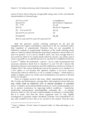
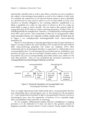
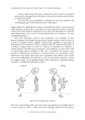
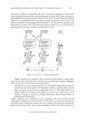
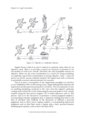
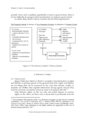
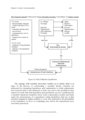
Show Rationality and the Structure of the Self, Volume I: The Humean Conception 273 (4) any other factor that may explain the action must be connected with a desire the agent has at the time of the action to perform that action (or achieve its goal). (5) Therefore, any prudential or altruistic act must be explained by connecting its goal with a present desire of the agent. Nagel depicts the belief-desire model as assuming that either a present desire must motivate action ((3)), or else there can be no present event to motivate action at all, since belief is impotent to do so ((2)). The alternative to a present motivating desire, as he sees it, is "motivational action at a distance, over time or between persons." Now this alternative needs to be scrutinized very carefully. At first glance, it appears that Nagel is proposing to explain human action in terms of a kind of causation that is highly controversial regardless of the type of phenomena to be explained. That is, it appears that by "motivational action at a distance," Nagel means to refer to a species of causation at a distance: a remote mental event that has a proximate causal influence on my action with no intervening causal variables. In the case of altruism, the remote cause would be someone else's interest or occurrent desire as a proximate causal influence on my action. But in the case of prudence, the remote cause seems even more implausible. It would have to be my own future interest or desire as a future cause of my present action. This would be to advocate reverse causation. Call this the implausible scenario. Figure 6. The Implausible Scenario This way of describing both cases raises the same questions you might raise if I were to tell you that a certain book had strongly influenced my actions, © Adrian Piper Research Archive Foundation Berlin |