| OCR Text |
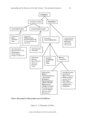
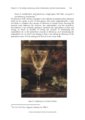
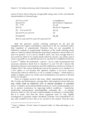
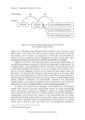
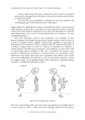
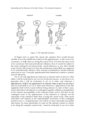
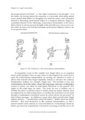
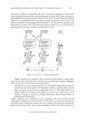
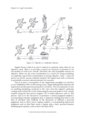
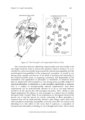
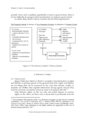
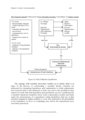
Show Chapter III. The Utility-Maximizing Model of Rationality: Informal Interpretations 104 hours to mouth-blow and hand-cut a single glass. But then, our goal is 14 not efficiency, but beauty. Of interest in both of these examples is the offhand assumption that efficiency itself can be a goal, or end. At first glance, this seems unproblematic. I may not think or visualize the concept of efficiency to myself when choosing the shortest route between the cleaners, the supermarket, and the bookstore. Nevertheless, I am certainly aiming to minimize the expenditure of time and energy as much as possible in doing my errands. If minimizing the expenditure etc. is the pedestrian concept of efficiency, and minimizing the expenditure etc. is what I am aiming at, then I am aiming at efficiency in the pedestrian sense. If I am aiming at it, then it is one of my ends. Figure 3. Efficiency as a Goal of Action 14 The New York Times Magazine, February 14, 1988, 3. © Adrian Piper Research Archive Foundation Berlin |