| OCR Text |
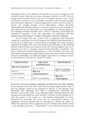
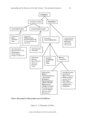
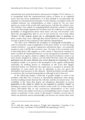
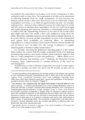
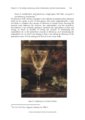
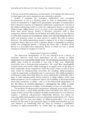
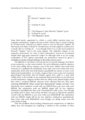
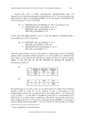
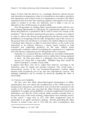
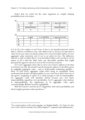
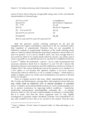
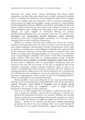
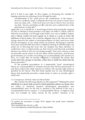
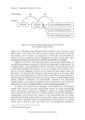
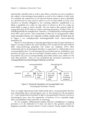
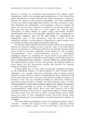
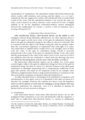
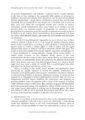
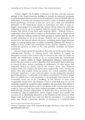
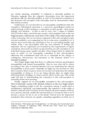
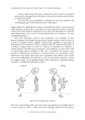
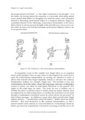
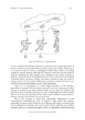
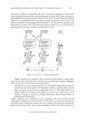
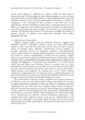
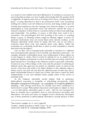
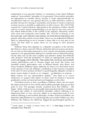
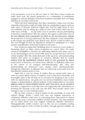
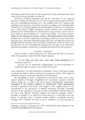
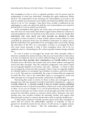
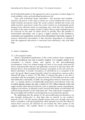
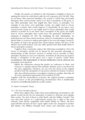
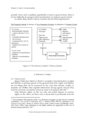
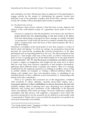
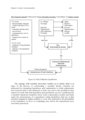
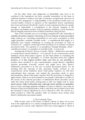
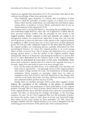
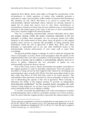
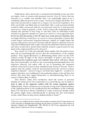
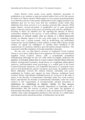
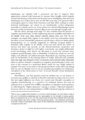
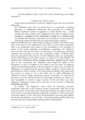
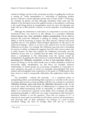
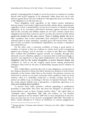
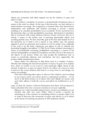
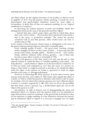
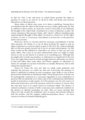
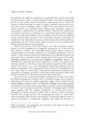
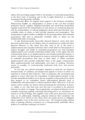
Show Chapter X. Rawls's Instrumentalism 428 possible. Since each is publicly quantifiable at least in general terms, there is far less difficulty in saying in what maximization of a primary good consists. In outline, then, Rawls's theory of justice has the following structure: The Original Position chooses Two Principles of Justice distribute Primary Goods The Parties: -instrumentally rational - want to advance CG in WOS - mutually disinterested - not envious - constrained by veil of ignorance - capacity for a sense of justice The OP Itself: - subjective circumstances of justice - objective circumstances of justice (1) Millian Principle (2a) Fair Opportunity (2b) Difference Principle rights, liberties, self-respect powers, opportunities income, wealth structure within The Well-Ordered Society Figure 13. The Structure of Rawls's Theory of Justice ____________________________________________________ 4. Habermas's Critique 4.1. Primary Goods Jürgen Habermas objects to Rawls's normative characterization of rights and liberties as primary goods on the grounds that, first, rights and liberties are not things that can be possessed in the ways that income, wealth, or property can. Rather, they regulate interactions among agents. Second, they must be exercised, not merely owned, in order to be enjoyed (RT 54).10 Only between rights, on the one side, and actual chances to exercise rights, on the other, can there exist a chasm that is problematic from the "Reconciliation Through the Public Use of Reason: Remarks on John Rawls's Political Liberalism," The Journal of Philosophy XCII, 3 (March 1995), 109-131; reprinted in The Inclusion of the Other: Studies in Political Theory, trans. Ciaran Cronin (Cambridge, Mass.: MIT Press, 1998). Page references to the latter edition are paginated in the text in brackets and preceded by "RT". 10 © Adrian Piper Research Archive Foundation Berlin |