| OCR Text |
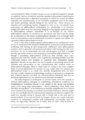
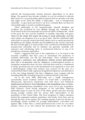
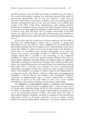
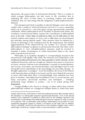
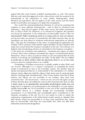
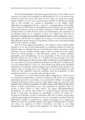
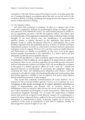
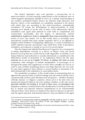
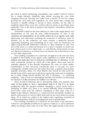
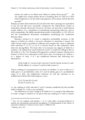
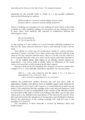
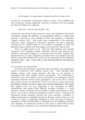
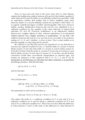
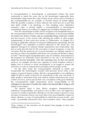
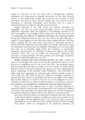
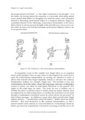
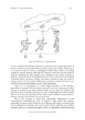
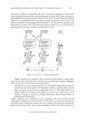
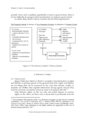
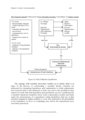
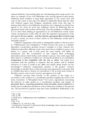
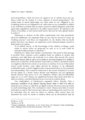
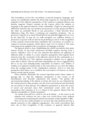
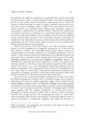
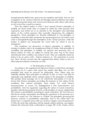
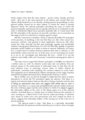
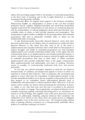
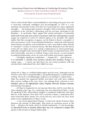
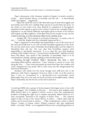
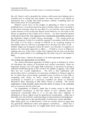
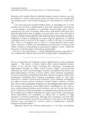
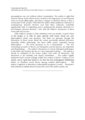
Show Rationality and the Structure of the Self, Volume I: The Humean Conception 211 no actions - for example, thoughts and feelings, bodily states, particular distributions of resources, and so on. Similarly, we might stipulate the denotation of the term "right" to refer only to actions and sets of actions as that concept is understood in action theory. According to this convention, such things as happiness, shame, economic equality, knowledge, and physical fitness might be good on different normative theories. Neither friendship, human flourishing, or workers' control over the means of production could be good in this rigorous sense. These things instead would have to be designated as right, as would fulfilling - but not having fulfilled - one's duties, research, virtuous activity, and engaging in sex, sports, or other pleasurable activities. We would then have to say that, for example, virtuous activity was morally obligatory or right regardless of its consequences, as might be research, sports, or workers' control of the means of production; or that these were perhaps right only insofar as they resulted in happiness, knowledge, physical fitness, or economic equality respectively, and not otherwise. This certainly would be a very odd and counterintuitive convention. So there is good reason for the existing heterogeneity of practice among normative ethicists with respect to what can be described as "good" or "right." It is that an interest in constructing a viable normative theory precludes the sacrifices of organization, content, and intuitive plausibility that strict adherence to the convention would require. The point can be generalized. We could, if we wanted, take the consequentialist/ deontological distinction as seriously as its more enthusiastic Anscombeans would like. But the resulting normative theories would be practically irrelevant and intellectually uninteresting. More on this in the following section. 3.3. Structural Equivalence Now I turn to the purported structural differences between consequentialist and deontological theories. All normative theories contain the following basic elements: (1) Activit(ies), i.e. actions, institutions, or practices; (2) Final ends, i.e. goals, objectives, or purposes; (3) Value-conferring propert(ies) of (2), i.e. those properties that we adduce to explain the value of the find end(s) of the theory. We represent the basic and general structural relationships among (1), (2), and (3) as follows: © Adrian Piper Research Archive Foundation Berlin |