| OCR Text |
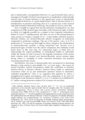
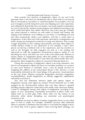
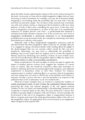
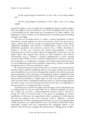
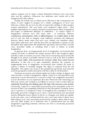
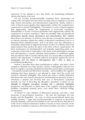
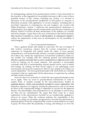
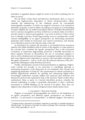
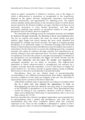
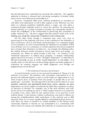
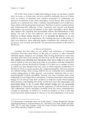
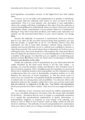
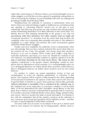
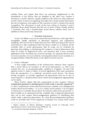
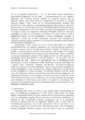
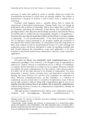
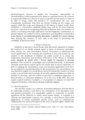
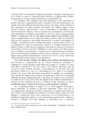
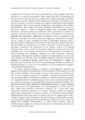
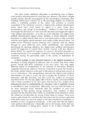
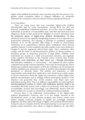
Show Rationality and the Structure of the Self, Volume II: A Kantian Conception 363 level hypotheses necessitates revision of the higher-level laws that explain them. However, we do not make such adjustments in K quickly or effortlessly. These require that the authority with which we have invested K first be undermined. That it is your parents who disconfirm K and authoritative others who comply with them contributes to this effect. First, the authority of reward and punishment is undermined, when you observe that your own and authoritative others' condemnation of your parents' behavior is ineffectual in altering it: They fail to keep their promises, and neither your reproaches nor cajolery, nor the reasoned intervention of your school teacher, can change them. Second, the authority of consensus is undermined, when you observe that it is not, after all, the case that everyone keeps their promises; nor even that nice people, or people like us do so. You thereby observe, first, that individuals can fail to keep their promises without being ostracized or rejected; and second, that they can do so without your wanting to ostracize or reject them yourself. This second observation is important, for it shows you, if nothing else does, that moral dereliction with respect to the ideal moral theory does not imply the divestment of love or social identification of the derelict as a member of the group. You find that you are capable of condemning your parents for their dereliction on the one hand, and of continuing to want their closeness and affection on the other. Finally, the authority of fact is undermined, by your observation that the reality described by the ideal moral theory is not the only reality - or, perhaps, not even the primary reality; and therefore, that deviation from it does not lead to madness. This is simultaneously the expansion of a provincial theory into a relatively inclusive and cosmopolitan one; the reduction in range of phenomena that can count as theoretically anomalous relative to it; and therefore the discovery of moral temptation, i.e. that the moral course of action does not exhaust the conceptually thinkable possibilities of action, but is instead only one among many such possibilities. You discover, that is, the distinction between the complex reality that is the case and the moral ideal that you believed or supposed to be the case. Your beliefs and expectations about your parents have been violated. They are not as you supposed them to be. The authority of fact, consensus and reward are further undermined by one's own, inevitable first-person deviations from the moral ideal described by the theory - deviations that are now no longer so conceptually anomalous as to require the pseudorational ministrations of denial, dissociation, or rationalization. Suppose, in response to your friends' avid curiosity, you betray to each of them in turn Conrad's crush on Ruby, which he told you about in confidence. The authority of reward and punishment is undermined, when you observe that you are being rewarded for deviating from the ideal © Adrian Piper Research Archive Foundation Berlin |