| OCR Text |
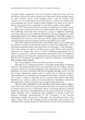
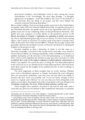
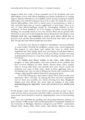
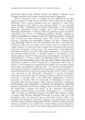
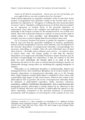
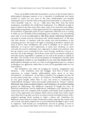
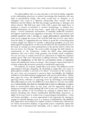
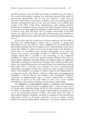
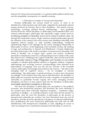
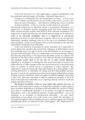
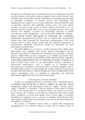
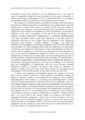
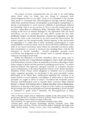
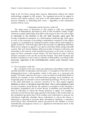
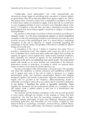
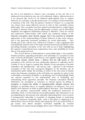
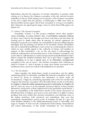
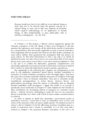
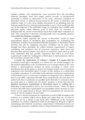
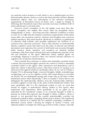
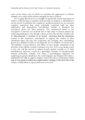
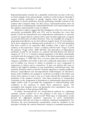
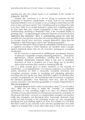
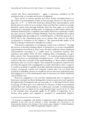
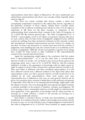
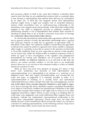
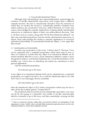
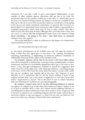
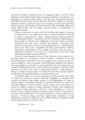
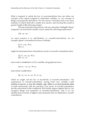
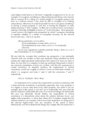
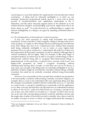
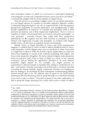
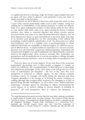
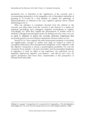
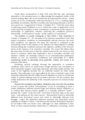
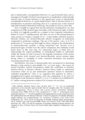
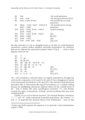
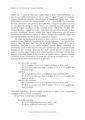
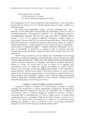
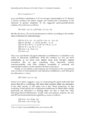
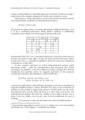
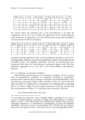
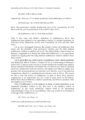
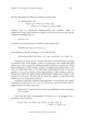
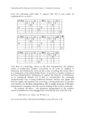
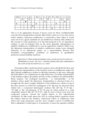
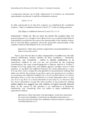
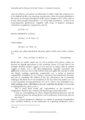
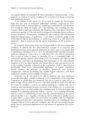
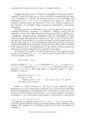
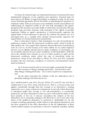
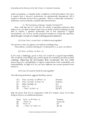
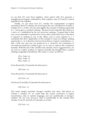
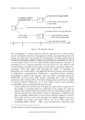
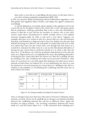
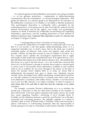
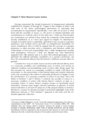
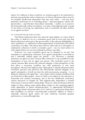
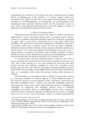
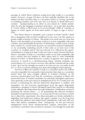
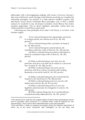
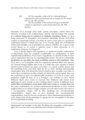
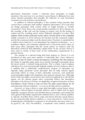
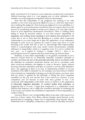
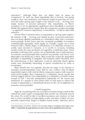
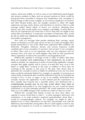
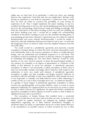
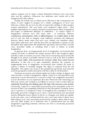
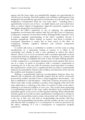
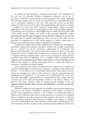
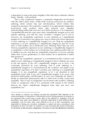
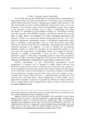
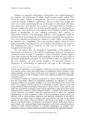
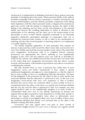
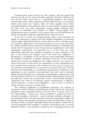
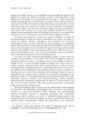
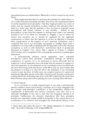
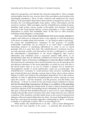
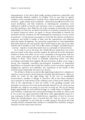
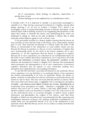
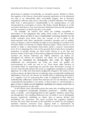
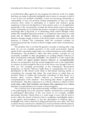
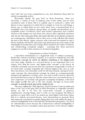
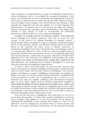
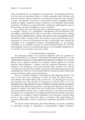
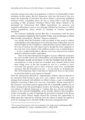
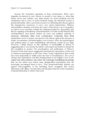
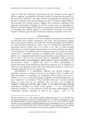
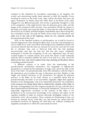
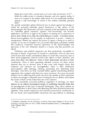
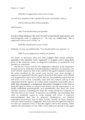
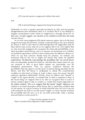
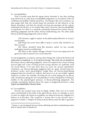
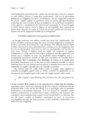
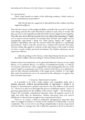
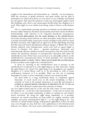
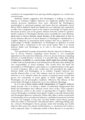
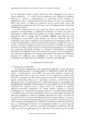
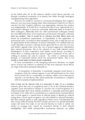
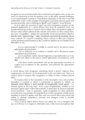
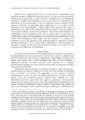
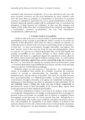
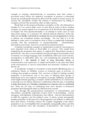
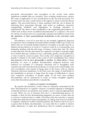
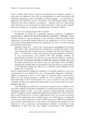
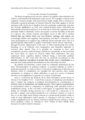
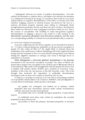
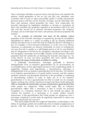
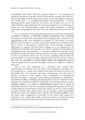
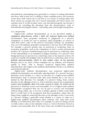
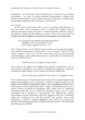
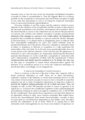
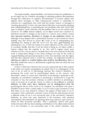
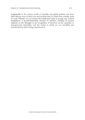
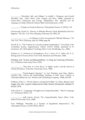
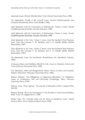
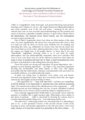
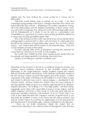
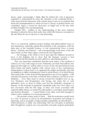
Show Rationality and the Structure of the Self, Volume II: A Kantian Conception (6) (7) (8) F≥G F≥G . ~G≥F (F≥G . G≥H) F≥H (9) [(F≥G . ~G≥F) . (G≥H . ~H≥G)] (F≥H . ~H≥F) (F≥G . ~G≥F) . (G≥H . ~H≥G) . (H≥F . ~F≥H) (F≥G . ~G≥F) . (G≥H . ~H≥G) (F≥H . ~H≥F) (H≥F . ~F≥H) F≥H . ~F≥H . H≥F . ~H≥F (10) (11) (12) (13) (14) 113 =df. weak preference =df. strong preference (F>G) =df. transitivity for weak preference =df. transitivity for strong preference cyclical ordering (10) (9), (11) (10) (12), (13)3 But this derivation is not as straightforward as all that. Its truth-functional connectives connect neither standard sentential propositions nor sentences that can be replaced by extensional sentence letters P, Q, R, …. Here is what happens when we try: (6') (7') (8') (9') (10') (11') (12') (13') (14') P P . ~Q (P . R) S [(P . ~Q) . (R . ~T)] (S . ~U) (P . ~Q) . (R . ~T) . (U . ~S) (P . ~Q) . (R . ~T) (S . ~U) (U . ~S) S . ~S . U . ~U (10') (9'), (11') (10') (12'), (13') (9') - (14') constitute a valid derivation of a logical contradiction, all right; but not from the conjunction of (C) and (T). (C) and (T) have disappeared, buried in the extensional formulations of (9') and (10'). This standard truth-functional derivation fails to demonstrate the logical inconsistency of a cyclical ranking because by substituting extensional sentence letters for the variable terms of (6) - (14), it deletes the extra, quasi-logical connective "≥", and thereby conceals the signs of transitivity, cyclicity, and the problems that arise from conjoining them. Clearly, we are not in Kansas anymore. The classical Boolean connectives ".", "~" and "" relate extensional sentential propositions. By contrast, "≥" and ">" as imported into decision theory from mathematics - and, for that Robert Paul Wolff proposed this argument to me (personal e-mail communication, August 17, 2001). 3 © Adrian Piper Research Archive Foundation Berlin |