| OCR Text |
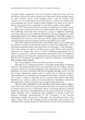
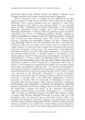
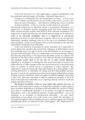
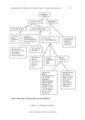
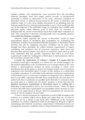
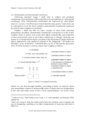
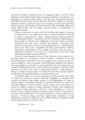
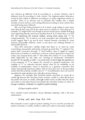
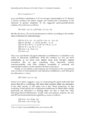
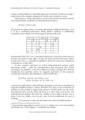
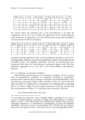
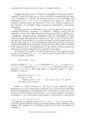
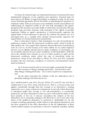
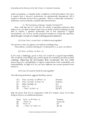
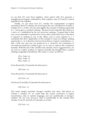
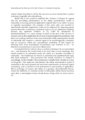
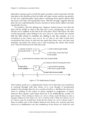
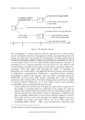
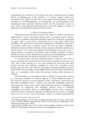
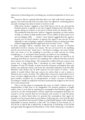
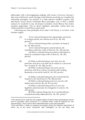
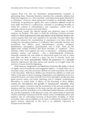
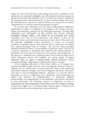
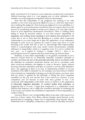
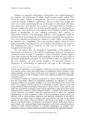
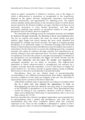
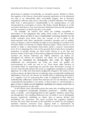
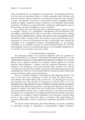
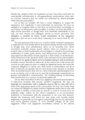
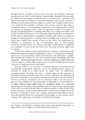
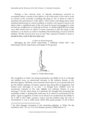
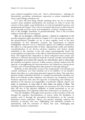
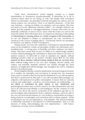
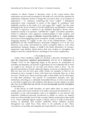
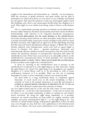
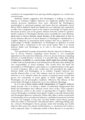
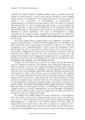
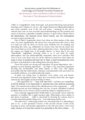
Show Rationality and the Structure of the Self, Volume II: A Kantian Conception 175 x: stick to diet & gain health x: commit to diet by buying diet food 2a y: don't diet, waste diet food & lose health 1 y: precommit by joining a diet club, & gain health x: commit to diet by buying diet food z: don't diet & lose health 2b a y: precommit by joining a diet club, & gain health z: don't diet & lose health t1 t2 t3 Figure 7. The Naïve Myopic At t1 Dennis prefers that at t3 he voluntarily follow his diet (F) over having his jaws wired shut (G); at t2 he prefers having his jaws wired shut (G) to breaking his diet at t3 (H); and at t3 he prefers breaking his diet at t3 (H) to voluntarily following his diet at t3 (F): (Ct) t1: F>G t2: G>H t3: H>F Dennis's preferences - and therefore his actions - are cyclical over time, and the problem to which McClennen's model of resolute choice is a solution is the problem of cyclical choice examined at length in Volume I, Chapter IV.2 - 3 (cf. RDC 89 - 98). Dennis chooses, as McClennen observes, "as if he had blinders on - as if he never considered anything but the immediate choice problem presented to him at each point in time (RDC 97; also 206 - 209)." Correspondingly, the rule violated by Dennis's myopic choice behavior is the rule of transitivity; and the rule-guided behavior McClennen defends is transitively consistent behavior.10 Because I grounded Chapter IV's analysis of genuine preference primarily in the strict preference relation for simplicity's sake, here I similarly confine my remarks to questions of transitive versus cyclical rankings, ignoring issues that arise out of the distinctions between transitivity and acyclicity, and between intransitivity and cyclicity. 10 © Adrian Piper Research Archive Foundation Berlin |