| OCR Text |
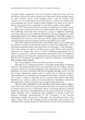
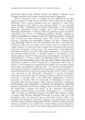
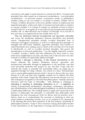
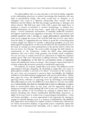
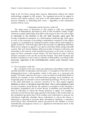
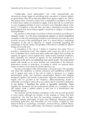
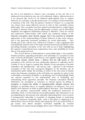
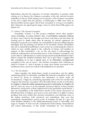
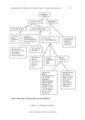
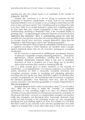
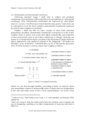
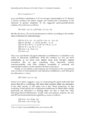
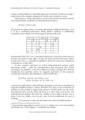
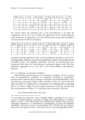
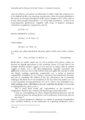
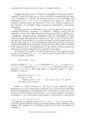
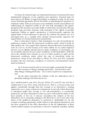
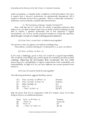
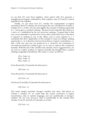
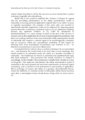
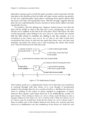
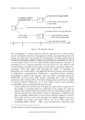
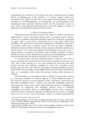
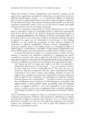
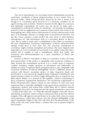
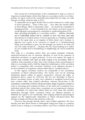
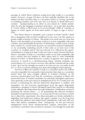
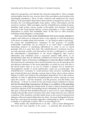
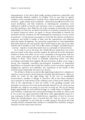
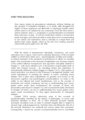
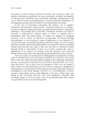
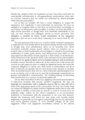
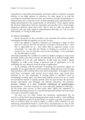
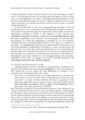
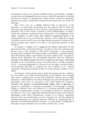
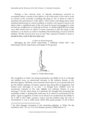
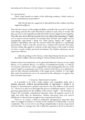
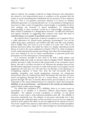
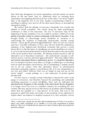
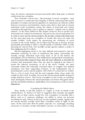
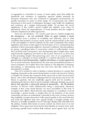
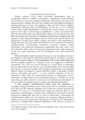
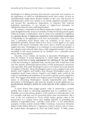
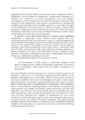
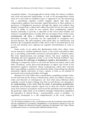
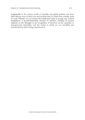
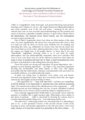
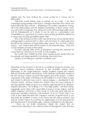
Show Chapter II. Reason in the Structure of the Self 76 2.3. Intentionality and Subsentential Consistency Following standard usage, I shall refer to subject and predicate constituents of propositions, both sentential and nonsentential, as subsentential constituents. Thus subsentential constituents are expressed by what Quine 13 refers to as terms. It will become evident that the main points I make here can be extended to cover the more complex subsentential constituents expressed by what he later redefines as predicates. Further, I shall say that we have concepts of what both sentential propositions and their subsentential constituents correspond to in the world: complex states of affairs, and events and objects respectively, and properties of these; henceforth I refer to all of these collectively as "things". Basically, my notion of a concept follows Kant's account of the hierarchical relation between object, appearance, and empirical concept in the judgment, "All bodies are divisible," at 1C, A 68/B 93 - A 69/B 94 (also see 1C, A 109 and the discussion of 1C, B 104 in Section 1.3 above), which runs roughly as follows: r5: divisibility } mediated relation to object r4: body, area, real number, etc. } mediated relation to object r3: sentient creature, table, rock, etc. r2: Transcendental Object = X r1: intuitions: O O O 14 } mediated relation to object (= fits categories of substance/ attributes, cause/effect) } mediated relation to object (= appearances) } unmediated relation to object Thing in Itself = ? (= object[s] intuited) Figure 3. Kant's Conceptual Hierarchy Earlier we saw that through intuition, according to Kant, we stand in direct and unmediated relation to unknowable states of affairs that are independent of the self, and make sense of the r1-level representations we receive from 13 Methods of Logic, Third Edition (New York, N. Y.: Holt, Rinehart, and Winston, 1972), Chapter 14. 14 Kant was wrong to drop this useful notion from the B Edition, since it captures the case of recognizing something as an object independently of knowing what kind of object it is. © Adrian Piper Research Archive Foundation Berlin |