| OCR Text |
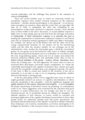
Show Chapter I. General Introduction to the Project: The Enterprise of Socratic Metaethics 18 not need Robert's Rules of Order because no one would be tempted to disrupt or exploit it. And we would not need the standard colloquium format because that format formalizes a dialectical procedure to which we would all adhere naturally and spontaneously, as do Aristotle's temperate men to the mean and Kant's perfectly rational beings to the moral law. These devices are muzzles and restraining leashes designed to rein us in, not merely from expressing our philosophical enthusiasms too vehemently or at excessive length; but rather from too obviously lunging for the jugular under the guise of philosophical critique.6 Sometimes it is as though in our serious philosophical activity we needed to be monitored and cued from the wings by an instructor in the basics of philosophical etiquette. It is as though there were no internalized voice of intellectual conscience to guide and subdue our egocentric philosophical behavior at all. How is this lack of philosophical self-discipline to be understood? How are we to understand the frequent identification of personal and professional wellbeing with having at least temporarily obliterated one's philosophical enemies, and of personal and professional failure with having lost the war? And how are we to understand our own self-deception and lack of insight into the egocentric motives and meaning of such philosophical behavior - as though a punishing philosophical work-over that verbally dices one's opponent into bite-size chunks were cognitively indistinguishable from the "cultivated caution and modesty in assertion" that Hampshire rightly applauds? Should we say that if we are incapable of practicing rational selfrestraint and self-scrutiny in the circumscribed and rarified arena of philosophical dialogue, there is small hope for doing so in more complex fields of social interaction? Or should we say, rather, that it is because the philosophical arena is so small and morally insignificant that we have devoted so little attention to habituating ourselves to proceed in a temperate and civilized manner; and that our übermenschlichen barbarity here has no practical implications for our rational moral potential elsewhere? The latter response is inadequate on several counts. First, the concept of rational philosophical dialogue as establishing metaethical conditions for comprehensive normative theory is too central to the moral and political views of too many major philosophers - Rawls, Habermas, Hare, Rorty, and Dworkin among them - to be dismissed as morally insignificant. If we cannot even succeed in discussing, in a rational and civilized manner, what we ought to do, it is not likely that we will succeed in figuring out what we ought to do, much less actually doing it. Second, talk is cheap; talk is the easy part of moral rectitude. If we can ever hold our tongue, choose our words, and exert ourselves to understand another and communicate successfully with her when our egocentric interests are at stake, then we have what it takes to So much for Hampshire's injunctions against metaphor. 6 © Adrian Piper Research Archive Foundation Berlin |