| OCR Text |
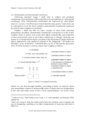
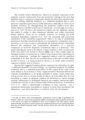
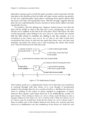
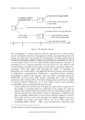
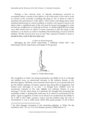
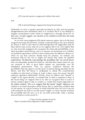
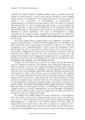
Show Rationality and the Structure of the Self, Volume II: A Kantian Conception 347 Perhaps a less obvious form of rational incoherence involved in conceptual silence consists in the failure of all of the parts of the self to work in concert; in the necessity of pulling the plug on one of them in order to maximize the performance of the others. There seems something amiss when maximal functioning of a moral, political or creative sort requires reason to be silent; when a significant part of the self must be bound and gagged in order for bravery, compassion or creativity to flower. A similar point has been made very often about cases in which it seems necessary to pull the plug on the emotions, or on desire, in order to maximize the functioning of reason and the intellect. All this may be true of us in fact. But I question whether it must or should be true, even in the non-ideal case. 6. More on Moral Integrity Springing up into pincha mayurasana, I suddenly realize that I am balancing in pincha mayurasana, and topple to the ground. Figure 8. Pincha Mayurasana My recognition of what I am doing undermines my ability to do it, as though my intellect were an unwelcome intruder in the intimate theater of my personal agency. Similarly, your innocent observation to your spouse that you are the family's primary economic support may bring that arrangement, and indeed your marriage, to an end - as though your intellect were an unwelcome intruder in the only slightly less intimate theater of your marriage.16 On the other hand, it is precisely the thought that pocketing the unclaimed wallet is stealing that motivates us to return it unransacked to the police. Again recognition of what one is about to do undermines the ability to do it. But in this latter scenario, reason and the intellect play the role of schoolmarm or cop or cattle prod, rather than party pooper. In all of these See Ellyn Spragins' description of this interesting pathology in "When The Big Paycheck Is Hers," The New York Times (Sunday, January 6, 2002), Section 3, 8. 16 © Adrian Piper Research Archive Foundation Berlin |