| OCR Text |
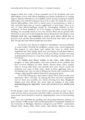
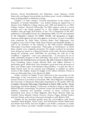
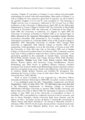
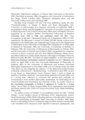
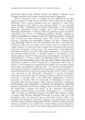
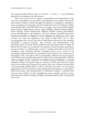
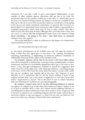
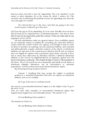
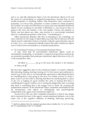
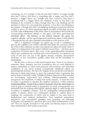
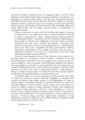
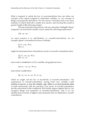
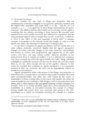
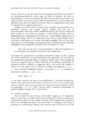
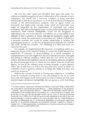
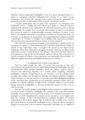
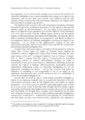
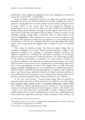
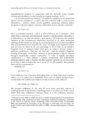
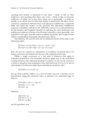
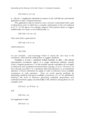
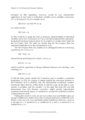
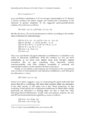
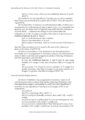
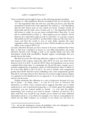
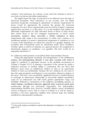
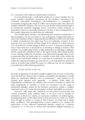
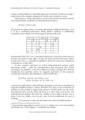
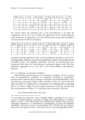
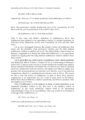
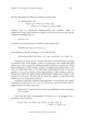
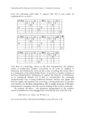
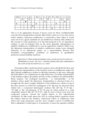
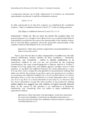
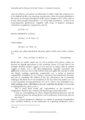
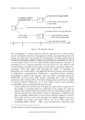
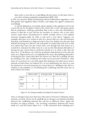
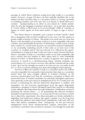
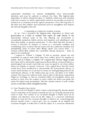
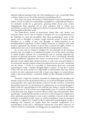
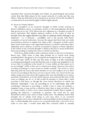
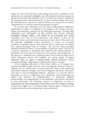
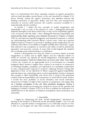
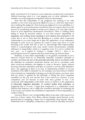
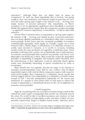
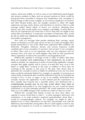
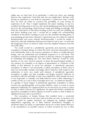
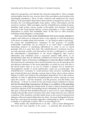
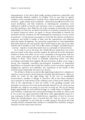
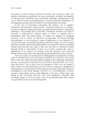
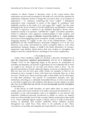
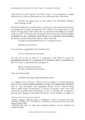
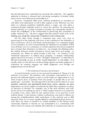
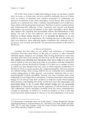
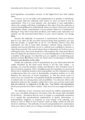
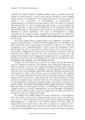
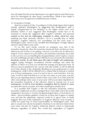
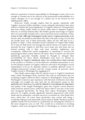
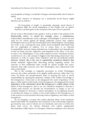
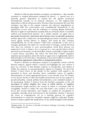
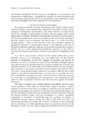
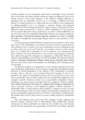
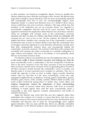
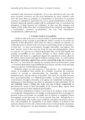
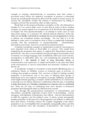
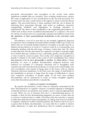
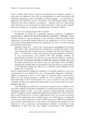
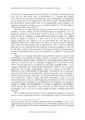
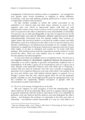
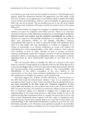
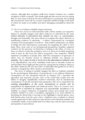
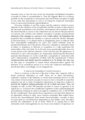
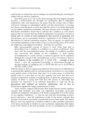
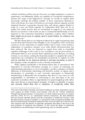
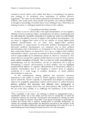
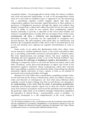
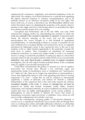
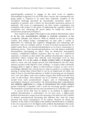
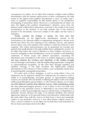
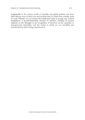
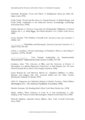
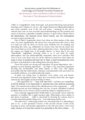
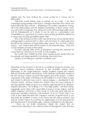
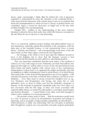
Show Rationality and the Structure of the Self, Volume II: A Kantian Conception 131 (I3) x ≥ y and y ≥ x. 10 Luce and Raiffa's substitution of "≥" for Savage's interpretation of "≤" (Section 2, above) sacrifices the latter's elegant yet cumbersome formulation to the demands of greater simplicity. In my suggested quasi-quantificational notation, (I3) would run as follows: (I4) Pw[(x.~y) v (x v y)].Pw[(y.~x) v (y v x)]. But like (6) above, (I4) can be transformed as follows according to the familiar rules of inference for sentential logic: (25) Pw~[~(x.~y) . ~(x v y)].Pw~[~(y.~x) . ~(y v x)] (26) Pw~[(xy) . ~x.~y].Pw~[(y x) . ~y.~x] (27) Pw~[(~y ~x) .~x.~y].Pw~[(~x~y) .~y.~x] (28) Pw~[~x.~y] .Pw~[~x.~y] (29) Pw[x v y] . Pw[x v y] (I1) Pw(x v y). Thus Luce and Raiffa's Savagean definition of indifference is reducible to my notion of Epicurean indifference. With this notation we lose yet more aesthetically, as we move even further away from Savage's original conception. But we gain something more important, namely commensurability with other relations susceptible to sentential and subsentential analysis via the standard Boolean connectives. Finally, we can define a weak preference [or R-] function in the conventional way, in terms of strict preference and Epicurean indifference, such that given two alternatives x and y, (RE) Pw[(x.~y) v (x v y)] Section 6.2.1 below suggests a way of constructing the quick truth table that shows that (RE) is a tautology. (RE) states that w prefers either one alternative to the other strictly, or else either one is fine. Weak preference, on this rendering, is that special case of Epicurean indifference in which either strictly preferring one alternative or finding either one fine is itself fine. Then following Edward McClennen's results with conventional notation, (P), (I1), and (RE) can be particularized to gambles g1 and g2 as follows: (30) Pw(x.~y) ≡ Pw(gx.~gy) (31) Pw(x v y) ≡ Pw (gx v gy) 10 Op. cit. Note 2, Luce and Raiffa, Games and Decisions, 302. © Adrian Piper Research Archive Foundation Berlin |