| OCR Text |
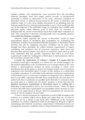
Show Rationality and the Structure of the Self, Volume I: The Humean Conception 23 publication, by refusing to delete an example that mentioned race in a paper she had offered to recommend for publication. I once had a paper accepted for publication on the sole condition that I excise my critique of a major figure in the field; and had one rejected because a single negative referee's report, although acknowledged by the editor to be incoherent and self-contradictory, came from an important personage. Rather than take on the major thinkers, many have been encouraged or coerced by such tactics to avoid the Oedipal confrontation altogether, and diverted instead into harmless and insignificant wheel-spinning. The great, ongoing contentious debates that extended from Plato through Kant, Fichte, Hegel, Schopenhauer and on to the Vienna Circle, Russell, Wittgenstein, and Habermas seem to have been all but silenced by the repressive dictates of professionalism. These genuflective norms of etiquette undergird the recommendations of professional self-interest, by encouraging and rewarding excessive deference to philosophical authority, by discouraging forthright argumentation and critique, and by undermining the intellectual and professional confidence of younger philosophers in their ability to develop their own views independently and survive confrontation with their elders. They thereby infantilize the powerful, by insulating their views from honest critique and thus inadvertently perpetuating the illusions of philosophical invulnerability and professional entitlement. And they infantilize the unempowered as well, by stripping them of the very resources most essential, in the long term, to their own survival and flourishing: the character dispositions of transpersonal rationality. It then would be unsurprising to discover that, when the unempowered were rewarded for their obedience with professional empowerment, the character dispositions of transpersonal rationality were given both less exercise and less philosophical weight. These norms of genuflection, necessitated by economic imperatives, create the authoritarian conditions under which the Bulldozer, the Bullies, the Bull, and the Bullfinch can flourish. Like other artifacts of the culture of genuflection, they function to protect canonical or insecure philosophical territory using anti-philosophical weaponry, when pure philosophical dialogue itself is too subversive of established hierarchy or received interpretation to be tolerated. And through practice, repetition, and professional reward, these repressive philosophical styles are transmitted as role models from one generation of graduate students to the next, as legitimate modes of philosophical discourse. Ultimately they supplant the legitimate and civilized modes of philosophical discourse Hampshire describes with self-aggrandizing displays of power and domination, and corrupt the quality of philosophical ideas accordingly. In replacing the transpersonal obligations of philosophical practice with the egocentric imperatives of professional survival, these styles bespeak more than our selfcenteredness. They bespeak our inability to transcend structural conflicts © Adrian Piper Research Archive Foundation Berlin |