| OCR Text |
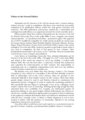
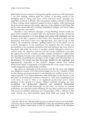
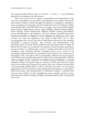
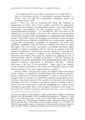
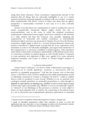
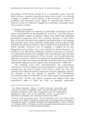
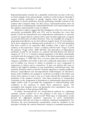
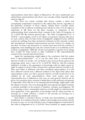
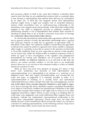
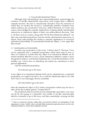
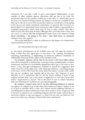
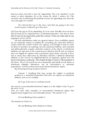
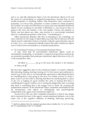
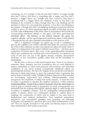
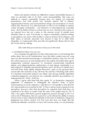
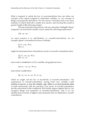
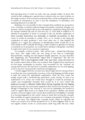
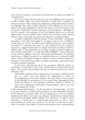
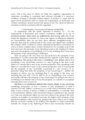
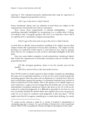
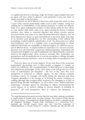
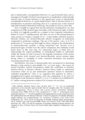
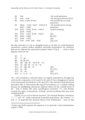
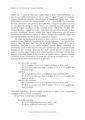
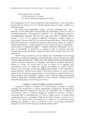
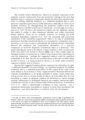
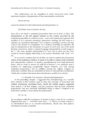
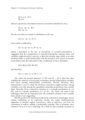
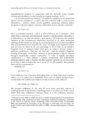
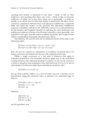
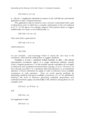
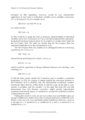
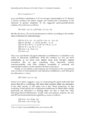
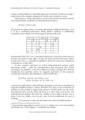
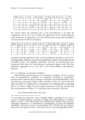
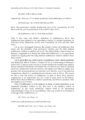
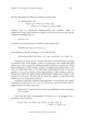
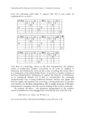
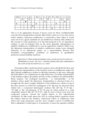
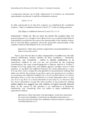
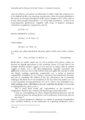
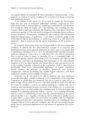
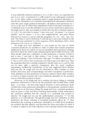
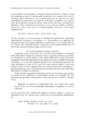
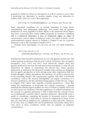
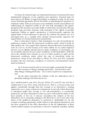
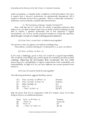
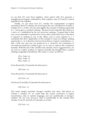
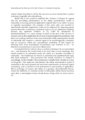
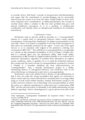
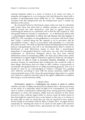
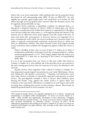
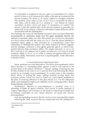
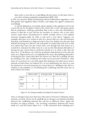
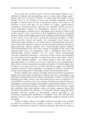
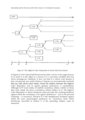
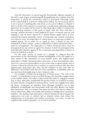
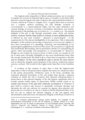
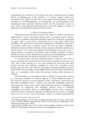
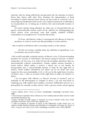
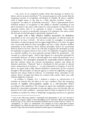
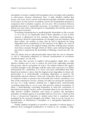
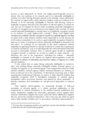
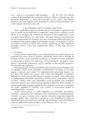
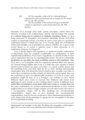
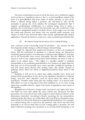
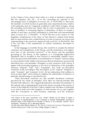
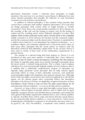
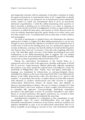
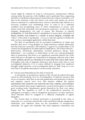
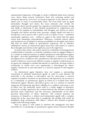
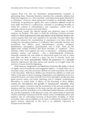
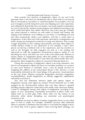
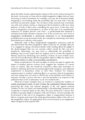
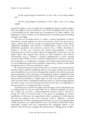
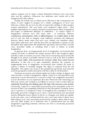
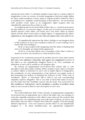
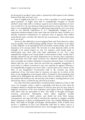
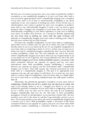
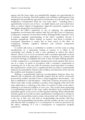
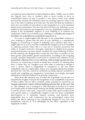
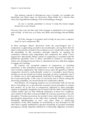
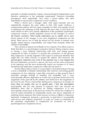
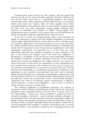
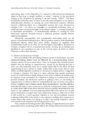
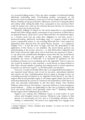
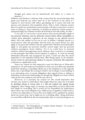
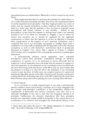
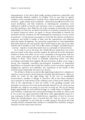
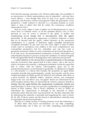
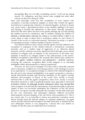
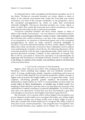
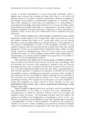
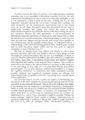
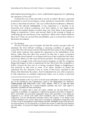
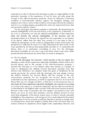
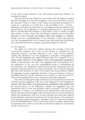
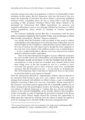
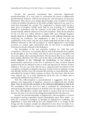
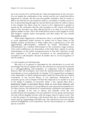
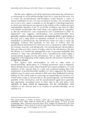
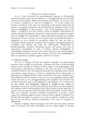
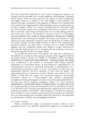
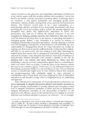
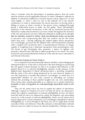
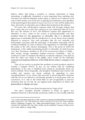
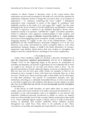
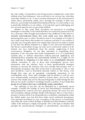
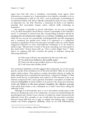
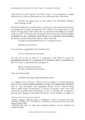
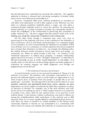
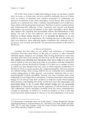
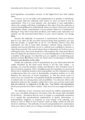
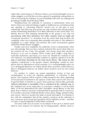
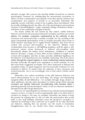
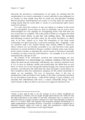
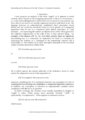
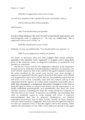
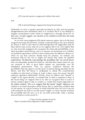
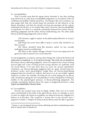
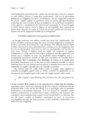
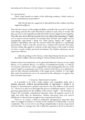
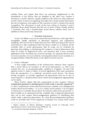
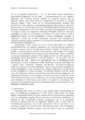
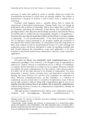
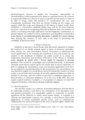
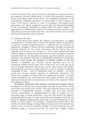
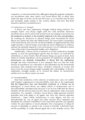
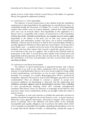
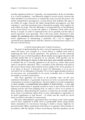
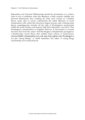
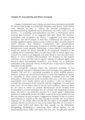
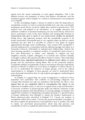
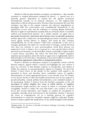
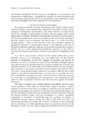
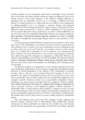
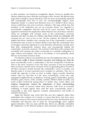
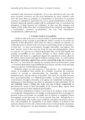
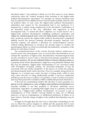
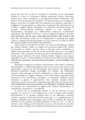
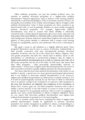
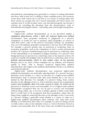
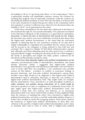
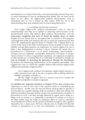
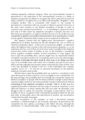
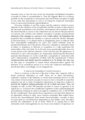
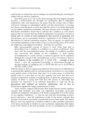
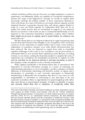
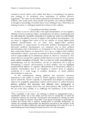
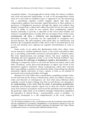
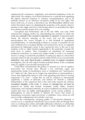
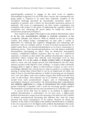
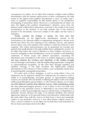
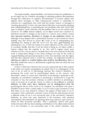
Show Rationality and the Structure of the Self, Volume II: A Kantian Conception 141 would a sentence letter in sentential logic; and on the basis of these to assign a truth-value to the complex statement in which such connectives occur. Following is a simple statement of second-order preference that would be an unobjectionable candidate for truth-functional analysis: (2) Pw{x.~[Pw(x v y)]} (2) says that an agent prefers x to being Epicureanly indifferent between x and y. Is (2) a consistent preference? Using Quine's method of establishing consistency and validity,17 the following occasional truth table Pw {x T . ~[Pw (x T v y)]} T T F F F demonstrates that (2) is not a consistent preference: It does not make sense to say that one prefers some option on the one hand, but that that same option would not be fine, i.e. perfectly acceptable, if offered in a pairwise comparison of alternatives on the other. A more complex statement for which truth-functional analysis yields interesting results - under the presupposition that horizontal and vertical consistency are satisfied - is the one I made in Volume I, Chapter III.1, that the transitivity and acyclicity axioms are logically equivalent. In the proposed variable term calculus, that statement would look like this: (3) {[Pw(x.~y).Pw(y.~z)] Pw(x.~z)} ≡ {[Pw(x.~y).Pw(y.~z)] ~Pw(z.~x)} I discuss the implications of the left-hand statement in the above biconditional at greater length in Section 7, below. Whether (3) is true or not would turn on whether it was possible to assign truth-values to (3) that made one side of the biconditional false and the other side true. If so, (3) is false; if not, true. The truth-functional analysis that tests the validity of (3) would look this way (I break it into two tables, one for each side of the biconditional, for ease of reading). Let us first try to make the left-hand side of the biconditional false: Quine describes this method in Methods of Logic, 3rd Edition (New York: Holt, Reinhart and Winston, Inc., 1972), Chapter 6, "Consistency and Validity." 17 © Adrian Piper Research Archive Foundation Berlin |