| OCR Text |
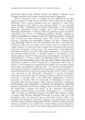
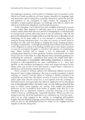
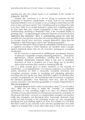
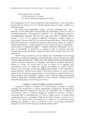
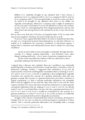
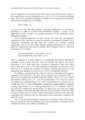
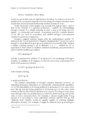
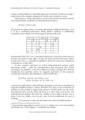
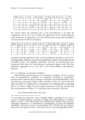
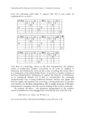
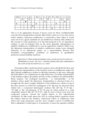
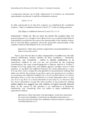
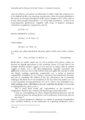
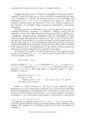
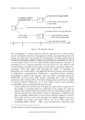
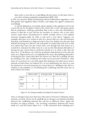
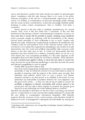
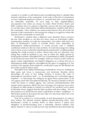
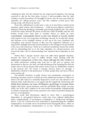
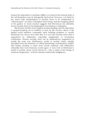
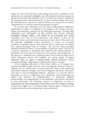
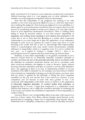
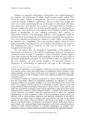
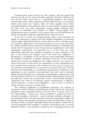
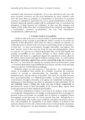
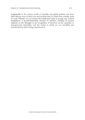
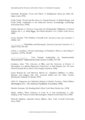
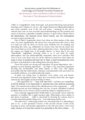
Show Rationality and the Structure of the Self, Volume II: A Kantian Conception 145 From the following truth table, it appears that (11) is true under all assignments to x, y, and z: {[~Pw( x F . ~y) F . ~Pw( y T F . ~x)] T . T T F F F [ ~Pw( y T . ~z) F . ~Pw( z T F . ~y)]} F F T T T T [~Pw( x . ~z) . ~Pw( z T . ~x)] T T F F (11), then, is a tautology. Hence on the Stoic interpretation, the intuitive notion of indifference satisfies Transitivity in all cases, in addition to Symmetry and Irreflexivity. There are two ways of reading this result. One is as a vindication of the Jeffrey-Bolker thesis. A second is as further evidence of the Stoic interpretation's inadequacy to capture the character of indifference as an intentional attitude. For it fails to accommodate the seemingly unobjectionable case of being indifferent between cherries and apples and between apples and peaches, but of having a strong preference for peaches over cherries. On the Stoic interpretation, this is simply irrational. If the Stoic interpretation is mistaken, then the second reading of this result is preferable. By contrast, (8) above - the Epicurean interpretation of the intuitive notion of indifference, when plugged into a transitivity rule, looks this way: (12) [Pw(x v y) . Pw(y v z)] Pw(x v z) As we can see below, (12) fails transitivity in case x=F, y=T, z=T: © Adrian Piper Research Archive Foundation Berlin |