| OCR Text |
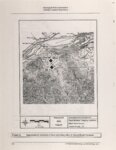
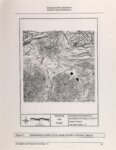
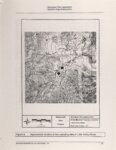
Show Surface Water 11. Sampling Surface water sample locations were well placed according It is recommended that these to the Figure in Attachment 13. surface water/sediment collec as used be again sample locations be collected at every should Sediment tion stations. samples surface water sample 12. including NPDES discharge points discharges to the Great Salt Lake. location and where surface water According to sediment sample data (Table 2, Attachment 13), highest levels of arsenic, chromium, copper, lead, nickel and zinc were detected in Kersey and Lee Creeks upgradient Are the of the tailings pond (samples CW8S076 and CW8s074). Kennecott attributable to concentrations operations any higher east of the tailings pond? If so, these operations should be included under the current site investigation. 13. Perhaps surface water in the marshy area east of the tailings pond is recharged by shallow ground water receiving contaminants To better define the source of elevated from the tailings. inorganics in sediment samples CW8S076 and CW8s074, it is recommended that surface water/sediment samples are collected from Riter Canal, and Kersey and Lee Creeks upgradient of the marshy area. Although Lee Creek appears to originate within the marshland, an intermittant tributary (identified on the USGS topographic map) may provide an appropriate up gradient surface water/sediment sample location. Ground Water 14. Sampling The Placement of monitoring wells should be re-evaluated. must be installed further away background monitoring welles) (south-southeast) from the tailings than indicated on Figure Shallow wells completed so near the tailings will likely 2. be contaminated irregardless of regional ground water flow direction. 15. Downgradient monitoring wells should be spaced further apart. One of the downgradient well locations depicted in Figure 2 should be moved to the area northeast of the tailings pond. One of the up gradient wells should be moved to a location at the southwest end of the tailings unless accessto Kennecott wells is obtained. 16. Ground water target populations are associated with the In order to obtain principal aquifer of the Salt Lake Valley. a viable HRS score for the ground water pathway, one of two 1) An observed release to the principal things must happened: be documented; or 2) An observed release to the aquifer must shallow unconfined aquifer must be documented, and hydraulic communication between the shallow unconfined aquifer and the principal aquifer must be supported by wells logs, literature, 2 etc. |