| OCR Text |
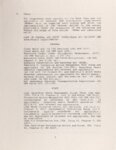
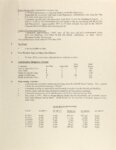
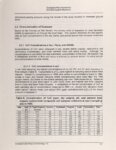
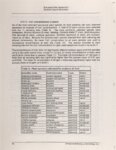
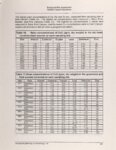
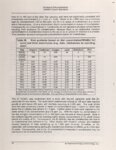
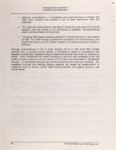
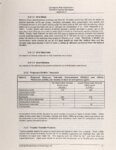
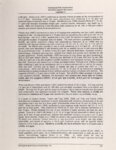
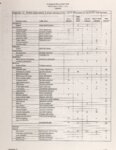
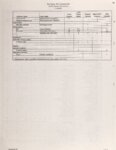
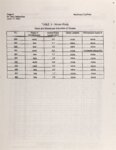
Show • Ecological Risk Assessment Northern Oquirrh Mountains Appendix 2 No Observable I, lowest Observable Adverse Adverse Effect Level Effect Level (NOAEL) (LOAEL) Herbivorous birds 100 1,000 Insectivorous birds 94 ? Carnivorous birds 448 ? 1,000 ? 30 325 Ruminants Other herbivorous mammals Insectivorous mammals 250 ? Carnivorous mammals 6 38 550 ? Invertebrates Acute toxicity values for lead were found in Osweiler et a/. (1985) and NRC (1980). 2.7.3 Trophic Transfer Factors Trophic transfer factors for plants to herbivores are based on data from woodchucks, voles, mice, cattle, and sheep. Herbivore to carnivore factors come from a study of cats consuming pine voles. Soil to invertebrate transfer factors include earthworms and grubs. Invertebrate to insectivore transfer factors include data on shrews, bats, swallows, and starlings (See Table 21). Table 10. Trophic Transfer Factors for Lead. liver kidney bone muscle plants to 0.12 0.23 0.72 0.02 0.60 herbivores (0-0.58) (0-0.78) (0-2.81) (0-0.20) (0.02-13.0) whole Reference body Dacre and Ter Haar 1977 Dinius et al., 1973 Fick et al., 1976 Ycunc et al., 1986 herbivores to carnivores 0.06 0.14 0.58 (0.02-0.10) (0.04-0.26) (0.22-1.04) Gilmartin et al., 1985 soil to inverts 3 Grue et aI., 1986 (0.11-21.4) inverts to 2.85 insectivores (0.03-24.0) Grue et al., 1984, 1986 Clark, 1979 insectivores to carnivores ecological planning and toxicology, inc. I, 17 |