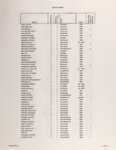
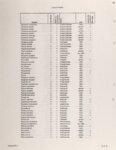
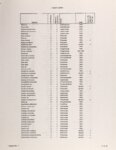
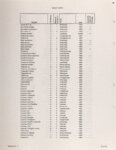
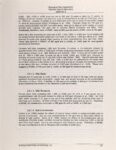
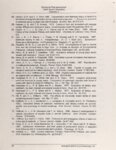
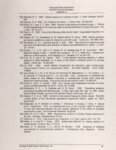
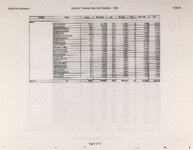
| OCR Text |
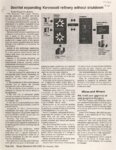
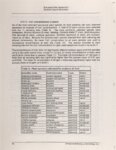
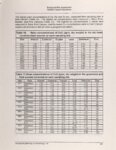
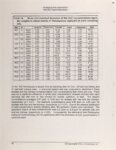
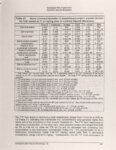
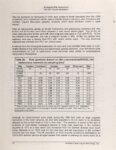
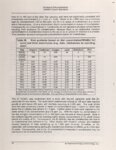
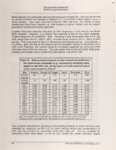
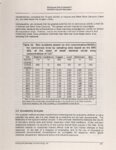
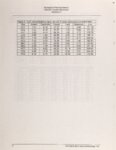
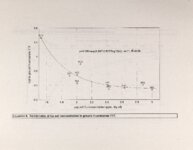
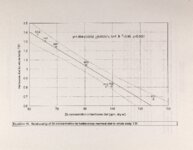
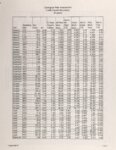
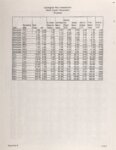
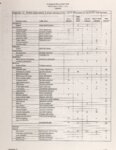
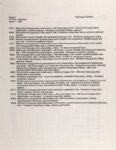
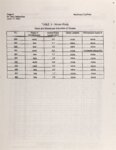
Show - Ecological Risk Assessment Northern Oquirrh Mountains I II Proportion of soil surface covered by rock and cobble and relative plant cover index and normalized cover index for each sampling site. Table 5. Location % Rock Site II II Normalized Cover Relative Plant Index. Cover Index =Cover/(1-% Rock) _. II II Blaok Rock BR1 5% 499 525 Canyon BR2 13% 489 555 Mean 9% 494 540 Kessler KC1 37% 286 454 Canyon KC2 6% 851 902 Mean 22% 569 678 L.ittle Valley LV1 3% 613 635 Wash LV2 Mean 10% 735 7% 674 723 CC1 18% 552 673 795 Coon Canyon Pine Canyon II II Ii t 811 CC2 26% 631 Mean 22% 591 734 PC1 41% 382 648 PC2 2,9% 539 695 PC3 25% 5i6 721 Mean 32% 499 688 Vegetation sampling in late-summer 1994 yi'elded 356 taxa, with 340 taxa identified to the level of genus or species. The late-spring sampling in 1995 added 31 new taxa plus three unknowns (Table 5). Of the 31 new taxa, six were identified to the species level that previously had been identified only at the genus level (e.g., 1994 identified as Arabis sp.; 1995 identified as A. gfabra and A. perennans). Ten new species were added to genera previously represented by one or more species (e.g., Astragalus lentiginosus was identified in 1995, A. utahensis had been identified in 1994). Thirteen new genera were identified in 1995, of which 12 new species were identifled. Only one new family, (Le., Portulaceae, represented by Montia perfoliata), was encountered in 1995. The proportion of mid- and late-successional species was approximately 70% in the 1994 sample and in the combined 1994-1995 sampling (Table 6). Similarly, the proportion of native species remained at approximately 77%. The increased number of taxa primarily reflects the inclusion of early season flowering plants. Identification to species level and inclusion of ephemeral plants (i.e., those that wither away by late summer) were possible during the 1995 season and unlikely during the 1994 sampling period. Conversely, some of the unidentified seedlings would be identifiable later in the year. Mr. Paul Rokich used 99 species in his re-vegetation efforts dating back to the 1940s. Of these, we encountered 58 taxa in our 1994 sampling and 2 additional taxa in OUf 1995 sampling (Appendix 1). The 38 species that were not encountered in our sampling do not 38 ecological planning and toxicology, inc. |