| OCR Text |
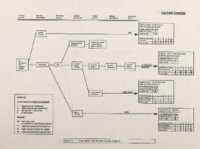
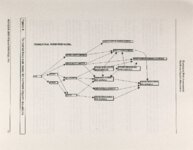
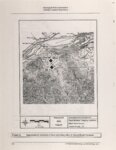
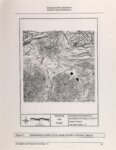
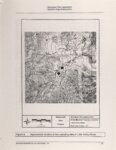
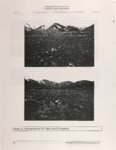
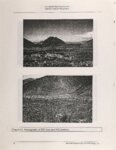
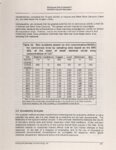
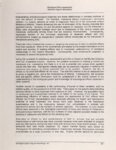
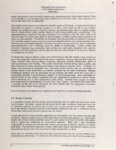
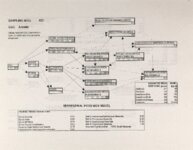
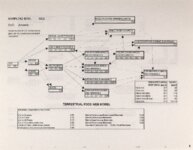
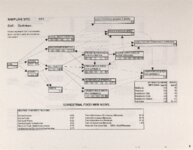
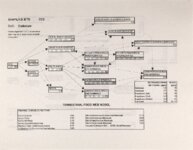
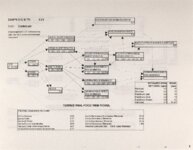
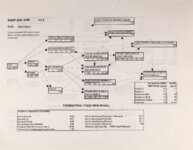
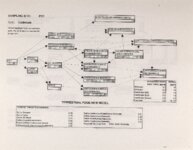
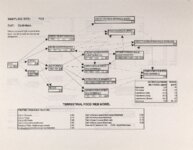
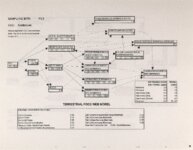
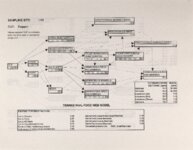
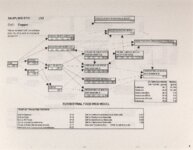
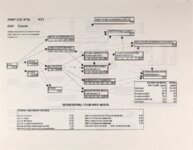
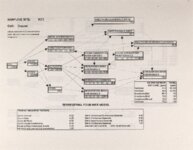
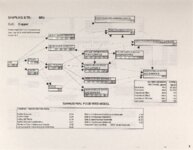
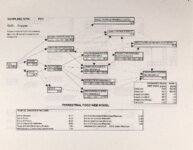
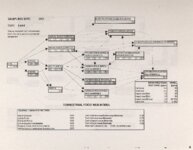
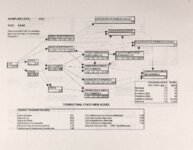
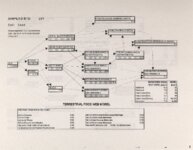
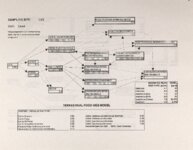
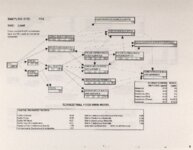
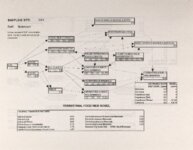
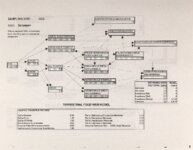
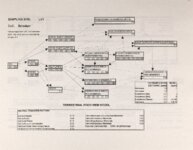
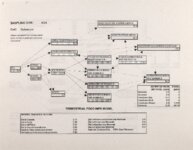
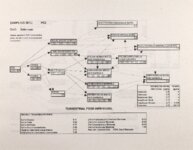
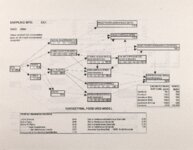
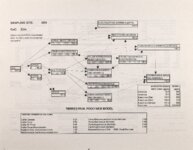
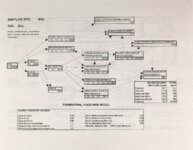
Show Ecological Risk Assessment Northern Oquirrh Mountains Report) and insectivore foodchain in the assessment of exposure potential. wetlands were in addressed the South shore Wetlands to include the 1.7. 1. 1 Garfield Smelter The new Garfield Smelter operates at the north end of the Oquirrh Mountains, at the mouth of Kessler Canyon. Air emissions of CoC are permitted, but are far lower than historic The new smelter, which became operational in 1996, has significantly lowered emissions and is designed to be one of the cleanest smelters in the world. The primary concern from this source is the historical emissions from older smelters that impacted the emissions. nearby canyons as well as the adjacent wetlands (Figure 2). The exposure pathways of greatest concern in the mountains are expected to be from historical depositions to soil that Food chain are taken up by plants or deposited on plants as dust or through splashing. is insectivorous wildlife and potentially important. Although exposure of both herbivorous CoC in water runoff from the mountain canyons is a potentially important exposure pathway for wetlands, the seasonal streams in the mountains do not support an aquatic community, and consequently, exposure of aquatic organisms and water-dependent birds is extremely limited in the upland areas. Exposure to terrestrial animals from drinking from seasonal streams and ponds may occur, but was deemed insignificant compared to food ingestion as CoC concentrations are three to six orders of magnitude less in water than in plants (See Screening Level EcoRA). 1.7.1.2 International Smelter As with the Garfield Smelter, the exposure pathways of greatest concern from the International Smelter are expected to be from historic deposition to soils that are taken up by plants or deposited on plants as dust or through splashing (Figure 3). The International Smelter was located on the west side of the Oquirrh Mountains, near the mouth of Pine Canyon about 5 km (3 mi) east of Tooele. It operated from 1910 until 1971, when all operations ceased. Therefore, there is no current primary air pathway and historic Resuspension of particulate matter is likely to be Exposure by direct ingestion of inconsequential relative to other exposure sources. surface water may be insignificant. emissions are the source of concern. 1.7.2 Exposure through Food Webs generalized food web for terrestrial systems indicating the potential exposure pathways via trophic transfer. To address possible CoC effects on wildlife populations, more refined food webs are presented that show linkages among trophic levels. The 1994 Screening Level assessment presented The results of the 1994 problems Screening Level a EcoRA indicated that potential toxicological exist in certain locations through both the terrestrial herbivore and insectivore food chains, but insufficient information on the site-specific trophic transfer factors and CoC bioavailability resulted in significant uncertainty in risk estimates. CoC concentrations in plants were measured in each of the canyons during the 1994 Screening Level EcoRA. Food chain extrapolations to herbivores were based on trophic transfer factors from published literature. ecological planning and toxicology, inc. 13 |