| OCR Text |
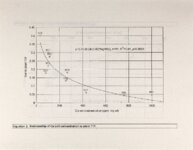
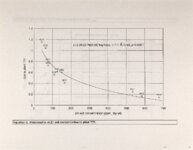
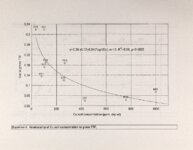
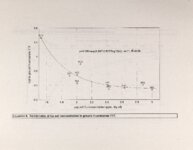
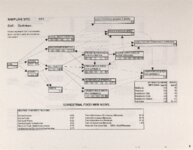
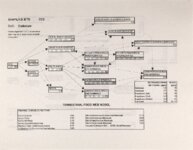
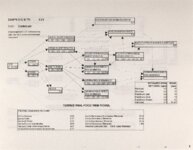
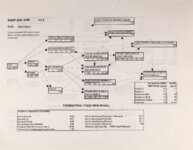
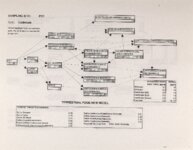
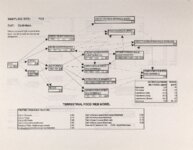
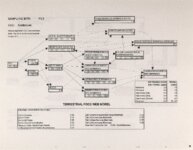
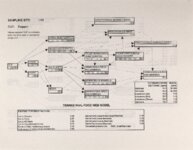
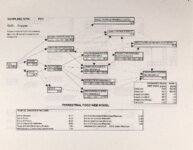
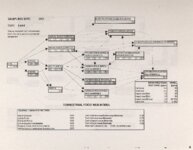
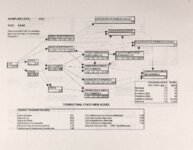
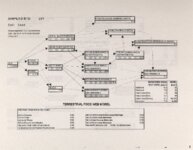
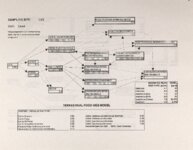
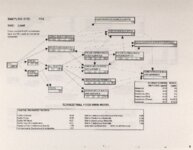
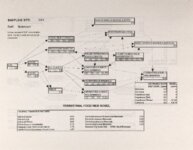
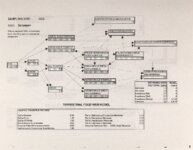
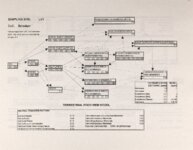
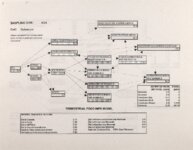
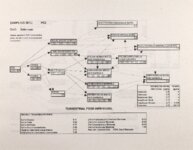
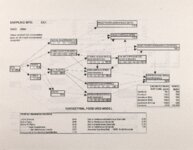
Show concentrations would be superior (a direct measure of bioaccumulation in the eggs), but it seems to either approach could work and would be defensible. It's unclear to me whether the FWS objects to the tissue-based approach (either method), or whether they more specifically object to the manner in which this particular tissue-based study was done. As I understand it, Kennecott and the FWS clearly do part company on the values applied to the approach (or the way the data were collected). Obviously, values for any of the elements (dietary threshold, mean egg threshold, site-specific derived slope and intercept values) could have an important effect on the calculated criterion, and it appears this has been the principal area of disagreement. me In their evaluation, Parametrix uses a dietary threshold of 5 mg/kg dw. comes from another publication which I don't have. The derivation of this value So, I don't know what the effect level is - "no effect," "no observable effect," "no adverse effect," etc. I believe the FWS objects to both this value and its derivation. It seems that a key issue in the dietary threshold derivation would be the mean egg threshold used. From the little that I've read so far, this "mean egg concentration" issue seems to be one area of considerable dispute. In a paper by Adams et al. (I only have a draft), there is a discussion of the various thresholds used for the "mean egg selenium concentration" (mes). For example, the FWS, in a study by Skroupa, used 3 mg/kg dw which the Service considered a contamination threshold [I believe this is the study which serves as the primary basis for the Service's argument for a 2 ug/l water quality criterion). selenium model instead used 8 mg/kg dw. Adams et aI., in deriving a "global" This is supposed to be a threshold value for hatchability effects for stilts and avocets (again, I can't determine from the paper what the level of effect was "no observable effect," "no adverse effect," etc.). This difference in the mes endpoint (i.e., using a reproductive effects threshold instead of the FWS's contamination threshold) and the application of the global model results in a 50th percentile value of 6.7 ug/I for the predicted "safe" water concentration for birds (compared to the Service's 2 ug/I value). have an important effect on the estimated So, a change in the mes value can "safe" water concentration, and it wil'l be important to try to reach consensus on the appropriate mes for the GSL. Sediment Neither of the Parametrix studies address the final envimnmental fate of selenium discharged to a terminal, hypersaline lake such as the GSL. In its acute toxicity study, Parametrix acknowledges that the higher selenium criterion based on acute, direct effects to aquatic organisms would not address the fate and transport of any increased loadings the higher acute criterion might allow. The accumulation and fate of selenium (and other metals) in the sediments and the potential for sediment selenium to be incorporated into the food chain are issues that warrant consideration in an evaluation of future, appropriate discharge limitations. Derivation of a UPDES Permit Value for Selenium in the Great Salt Lake, 8/31/99 The FWS comments reference this document. I don't have a copy, and therefore can't comment. Key issues for resolution of the questions about the appropriateness of the 27 ug/I chronic criterion for the GSL Based on the above, I beneve the key issues that will need to be resolved to properly evaluate the current 27 ug/I criterion and/or future permit limitations are: Is the 27 ug/I adequately supported by the toxicity studies done to date? What is the appropriate dietary selenium value to be used in calculating a criterion for the GSL? , (how should this be determined?) . What is the appropriate mean bird egg selenium value to be used in calculating a criterion for the . |