| OCR Text |
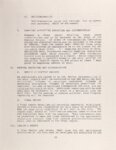
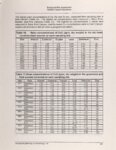
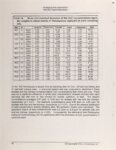
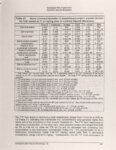
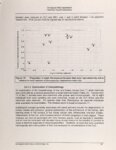
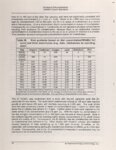
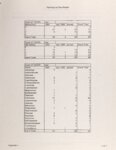
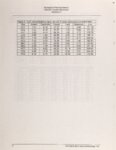
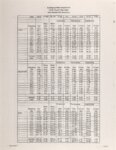
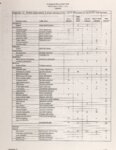
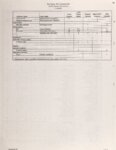
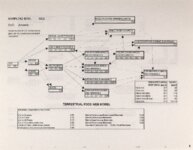
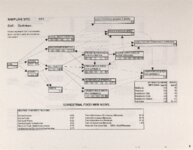
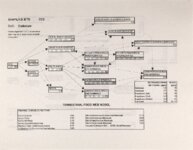
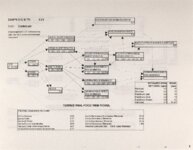
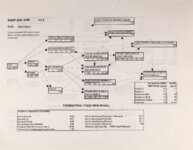
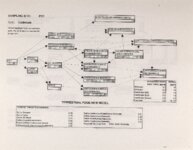
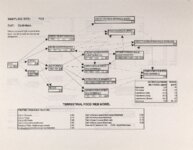
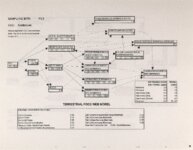
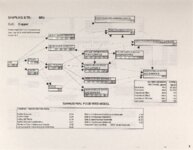
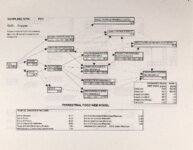
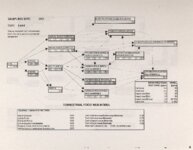
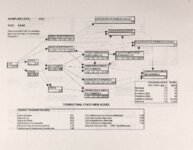
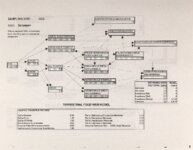
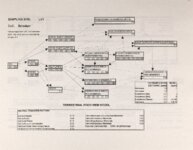
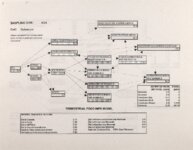
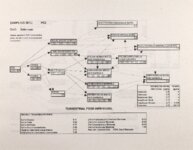
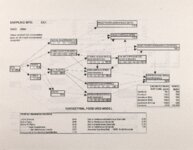
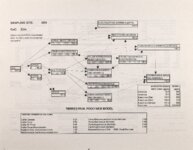
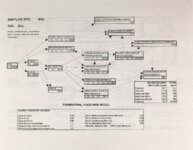
Show Ecological Risk Assessment Northern Oquirrh Mountains (Table 31). The risk quotiei : for As, Cd, and Zn are all below 1.0. The estimated dietary concentration of Cu was slightly higher than the 110 ppm NOAEL in KC2, but below the 160 ppm LOAEL. The estimated Pb concentrations in the diets of carnivorous mammals exceeded the 6 ppm NOAEL (based on a study with cats) at all sampling sites, except CC2 and LV2, but were below the LOAEL of 38 ppm (established from a study with dogs) at all sampling sites. The estimated dietary Pb concentrations for carnivores were similar to concentrations estimated but no signs of Pb-related effects were and herbivorous mammals for Peromyscus observed , .. If the diets of some carnivores also contain soil ingested accidentally with prey or from because grooming, the greatest increases in total exposure would occur for As and Pb their concentrations in the soil are significantly higher than in prey items. Including a small portion of soil into carnivore diets would increase the estimated total ingestion of As and Pb in Pine Canyon more than in other northern Oquirrh canyons. However, the bioavailability of soil-borne Pb is less than the bioavailability of Pb in animal tissue and the amount of soil ingested by carnivores is unknown. Mammalian carnivores hunting in Pine Canyon are exposed concentrations of Pb in the soil and presumably in their prey items. to highly variable During the Screening Level assessment of CoC concentrations in soils, eight randomly located soil samples contained an average of 623 ppm Pb with a range from 154 to 1556 ppm. The three Pine Canyon sites sampled in 1995 had an average soil concentration of 664 ppm. The based on average dietary concentration for a diet consisting of only small mammal tissues the 95% UCL of the mean for the three Pine Canyon sites was 20 ppm. Consequently, there may be a risk to mammalian carnivores that consume diets containing more soil than herbivores, but only if soil-borne Pb has similar or higher bioavailability as lead carbonate presented in capsule form as done by Staples (1995) with dogs. The greatest potential risk to mammalian carnivores may be from Se in the carcasses of small mammals from Black Rock and Kessler Canyons, where the 95% UCL of the mean whole body concentrations was 14.6 to 18.4 ppm Se. The dietary concentrations in these two canyons exceed the NOAEL of 4.8 ppm and the LOAEL of 7.2 ppm. Chronic studies dogs found that diets of sodium selenite or Se in seleniferous corn resulted in decreased food consumption and loss of body weight at concentrations as low as 7.2 ppm Diets containing 20 ppm Se also caused Se (Rhian and Moxon 1943, Moxon 1937). severe nervous disorders and inhibition of ovarian and testicular development (Rhian and Moxon 1943); however, when investigators added 5 ppm As (as sodium arsenate) to the drinking water, all symptoms were prevented or counteracted up to 13 ppm of dietary Se. Since the rate of food consumption in carnivores is approximately equal to the rate of water consumption in mammalian carnivores (USEPA 1993), As concentrations in food may also lessen the toxicity of dietary Se. The 95% UCLs of the mean concentrations of As in small mammals were 1.3 and 1.7 ppm in Kessler Canyon and 1.0 and 1.3 ppm in Black Rock Canyon, which may reduce the risks of Se to carnivores in these canyons. with Both Black Rock and Kessler Canyons are relatively small and many larger mammalian (e.g., coyotes) and avian (e.g., hawks) predators have activity ranges that extend beyond ecological planning and toxicoloqy, inc. 79 |