| OCR Text |
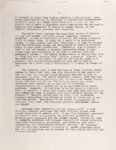
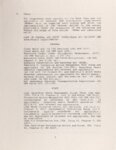
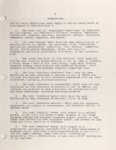
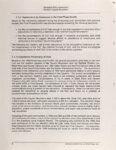
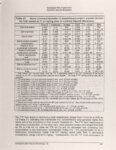
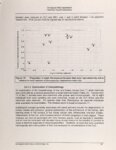
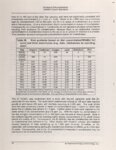
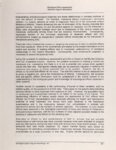
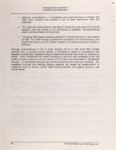
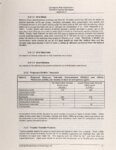
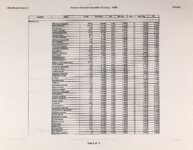
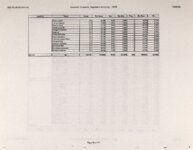
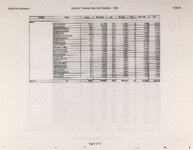
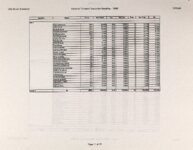
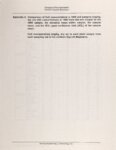
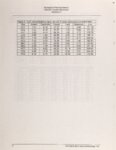
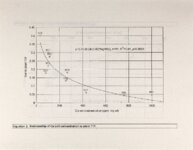
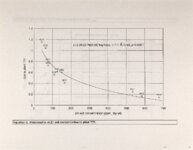
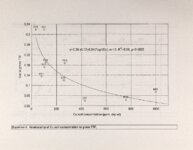
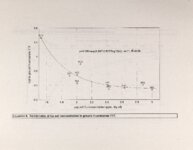
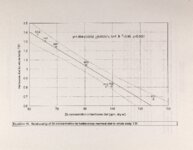
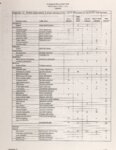
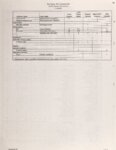
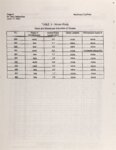
Show Ecological Risk Assessment Northern Oquirrh Mountains from 41 to 165 ppm in the other four canyons, and were not significantly correlated with invertebrate concentrations (r = 0.44, P > 0.05). Beyer et a/. (1985) also found relatively high Zn concentrations (120 to 980 ppm, dry wt) in a variety of invertebrates at a control 1 site in Pennsylvania. Zn is a micronutrient that is concentrated in tissues of invertebrates. Consequently, Zn concentrations in invertebrates do not represent elevated concentrations resulting from excessive Zn contamination, because there is relationship no between concentrations in invertebrates relative to the soil or as a function of distance to a smelter. They probably represent background concentrations typical for invertebrates. Table 30. Risk quotients (based on diet concentration/NOAEL) for aerial and foliar insectivores (e.g., bats, chickadees) by sampling sites 1. Site Arsenic Cadmium Copper Lead Selenium Zinc NOAEL. 112 10 500 94 4 125 200 12 800 5 250 (mg/kg) - 1 LOAE!.. (mg/ko) CC1 0.01 0.39 0.07 0.02 0.15 1.27 CC2 0.01 0.53 0.08 0.01 0.18 1.52 0.51 1.27 0.60 1.20 - LV1 0.06 0.41 0.12 0.03 LV2 0.02 0.35 0.13 0.08 KC1 0.08 0.47 0.14 0.02 2.01 1.29 KC2 0.01 0.47 0.15 0.02 3.36 1.39 BR1 0.15 0.16 0.18 0.23 1.28 0.86 8R2 0.28 0.16 0.22 0.08 1.25 1.04 PC1 0.04 0.66 0.07 0.23 0.73 1.52 PC2 0.04 1.50 0.07 0.31 0.68 2.32 PC3 0.05 0.51 0.06 0.16 0.51 1.20 II , 1 Diets of aerial and foliar-feeding insectivores were calculated as 100% invertebrates. Invertebrate concentrations were based on the average of surface-dwelling invertebrates and foliar herbivorous and carnivorous invertebrates. The Zn NOAEL was Risk quotients >1 are presented in bold italics established from carbonate for two weeks. a study with day-old Japanese quail fed Zn The quail chicks experienced anemia at 125 ppm and reduced growth at and above 250 ppm, with mortality occurring at 2,000 ppm. The quail chicks containing a series of dietary Zn concentrations plus 1.0 ppm Cu, which was below the Cu dietary requirement of 1.5 ppm. Another series of birds were exposed to the same series of Zn concentrations plus 3.6 ppm Cu. With the higher Cu concentration in the diet, a higher concentration of Zn (> 500 ppm) was required to reduce growth. Birds in the northern Oquirrhs would be receiving higher dietary concentrations of Cu which should reduce the toxicity of Zn. Consequently, the Zn NOAEL may be unrealistically low due to Other studies with chickens, turkeys, and mallards an experimental diet deficient in Cu. showed tolerance of diets containing up to 1,000 ppm Zn-oxide, Zn-sulfate, or Zn carbonate, with turkeys being particularly resistant and showing no effects up to 2,000 ppm Zn-oxide. Consequently, due to the Zn concentrations measured in invertebrates may not were fed diets represent a risk to insectivores in the field. 76 ecological planning and toxicology, inc. |