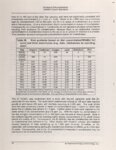
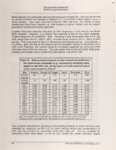
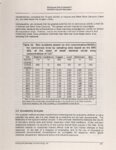
| OCR Text |
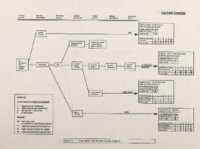
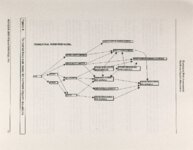
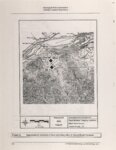
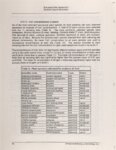
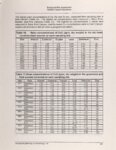
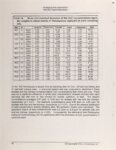
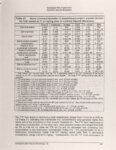
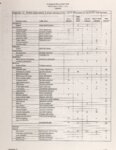
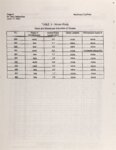
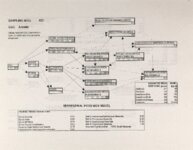
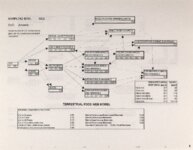
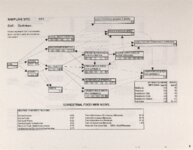
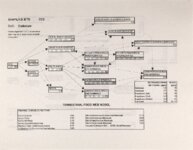
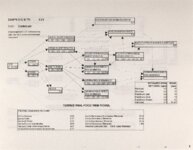
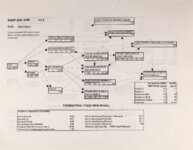
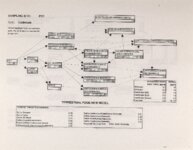
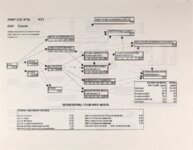
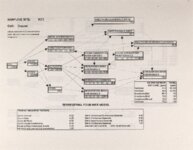
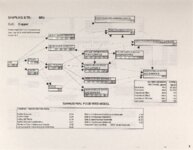
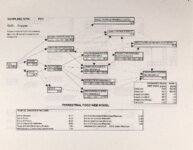
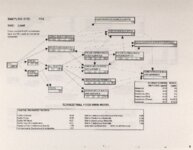
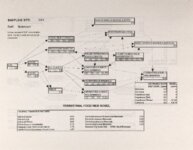
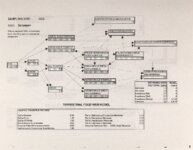
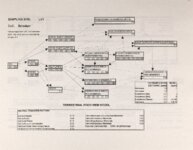
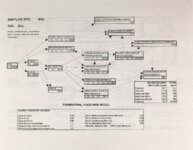
Show Ecological Risl Assessment Mountains Northern Oqu: . 1.4 Sources of hemicals of Concern naturally occurring substances found in varying concentrations in different soils, underlying parent material, and ore bodies. The surface materials in the Core Project Area contain CoC as a result of weathering of parent material, leaching and other geomorphologic processes, and deposition from smelter emissions and other mining activities. In the northern Oquirrh Mountains, mining activities have resulted in CoC concentrations that exceed background concentrations and may pose a risk to plants and animals. It is important to understand the variety of potential sources that exist, the spatial All of the CoC extent of their - e influence, and their relative contribution of CoC into the ecosystem of concern. Oquirrh canyons was the Garfield release to the Pine Canyon area was the Smelter. The principal source of Cd, Pb, and Zn International Smelter. Conceptual Site Models (CSM) for these sources were presented in The principal source of CoC released to the northern the Screening Level EcoRA (ep and t 1995a) and remain unchanged. 1.5 Toxicological and Ecological Effects The Problem Formulation Report of the Screening Level EcoRA (ep and t 1995a) reviewed the available toxicity data for each of the CoC to plants, invertebrates, and vertebrates this review, augmented by a few additional reports, the lowest observable adverse effects level (LOAEL) and the highest no observable adverse (See Appendix 2). effects level Based (NOAEL) on below the LOAEL were determined for invertebrates and herbivorous, insectivorous, and carnivorous vertebrates (Table 3). ecological planning and toxicology, inc. 9 |