| OCR Text |
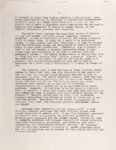
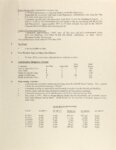
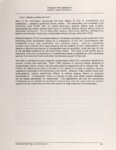
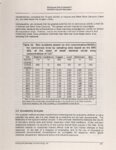
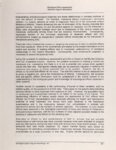
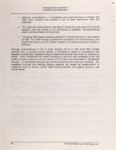
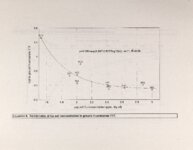
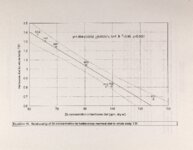
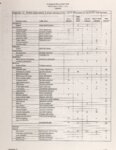
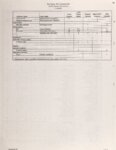
Show mixing zone for a Tosco Corporation discharge permit. As I understand it, the basis for the objection was that the receiving water was listed as impaired for the contaminants that were being allowed a mixing zone. In that situation, Region 9 believed a mixing zone was inappropriate and objected to the permit. I don't believe we have the same situation here (i.e., the question of whether on not there is impairment is one of the issues in dispute). You may have authority under the permitting regulations that I am not aware of, but at this point, I do not believe there is a specific was basis for challenging that mixing zone allowance in this permit. The study team concept. I believe superfund has had such a team in place for some time to look at the issues related to the superfund element of this site. Eva Hoffman and Dale Hoff have been involved from the start, and one approach would be to use the same basic team, add some members with expertise in was and NPDES permitting and expand the focus to address derivation of a standard and final NPDES permit requirements. However this is done, I think we (the WaUl will need to seek technical support from Eva and Dale. It would also be useful to find out how many of the key issues are already under consideration in the superfund arena. In an earlier e-mail, I mentioned that one approach would be to issue the permit with conditions identifying unresolved issues and requiring that those issues be resolved (during the life of the permit or sooner if possible). I'm not sure how this is accornplished through the NPDES program, but it appears that's what you are suggesting. I think that's a reasonable approach given the number of technical issues that appear to be in dispute and the time that likely will be needed to resolve those issues. Specific questions. 1. Bruce Z said he will take a look at the WLAs. 2. Is there a selenium criterion for the C-7 ditch? similar drains). No. The ditch is classified 3E (along with other, The ditch, like the GSL, is protected by a set of narrative "free froms." the State would generaUy address the narratives for such waters via WET requirements. I imagine For selenium, that might be appropriate for direct toxic effects to aquatic life, but it would not address bioaccumulative effects of selenium. Since the field sampling which formed the basis for the 27 ug/I value included the C-7 ditch, I assume the 27 ug/I value could be applied to the ditch as well (note, the co-located water and brine shrimp samples were collected in the salt water fraction of the ditch water). The intent of the study was to relate waterborne selenium and bioaccumulation of selenium in brine shrimp in the area of the west C-7 ditch discharge to the GSL. So, 27 ug/I value could, I assume, be applied to any discharge to the C-7 ditch (I should note, that I am not farniliar with the specific configuration of current and proposed discharge locations). You've advised, however, that the 12 ug/I value from the 404 permit will be applied. As I understand it, this value was derived separately and was related to wetland considerations. 3. Is there a selenium chronic criterion for the Jordan River. classified for aquatic life protection. Yes. The entire Jordan River is The lower section, Farmington Bay upstream to Temple St. (which I assume includes the point of discharge), is 3B and 3D. Therefore, the 5 ug/I aquatic life chronic value applies (this is the freshwater criterion based on effects on fish). Note, in your chart, you list the Jordan River as 3A. As noted, I believe the section of interest is the lower segment which is 3B and 30. 4. I cannot find a classification for Pine Canyon Creek. Bill Moellmer tells me it is likely in the same Butterfield Creek, i.e., 3D (although it's not listed as such). This means the 5 ug/I chronic selenium value would apply. category as |