| OCR Text |
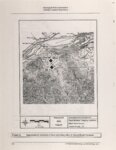
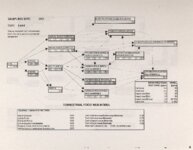
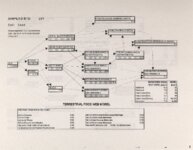
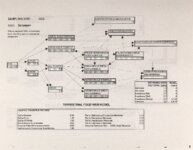
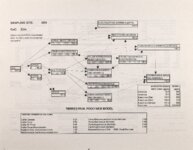
Show - Ecological Risk Assessment Northern Oquirrh Mountains 1.1.3 Questions to be Addressed in the Final Phase EcoRA Based on the information collected during the Screening Level assessment and previous " studies, this Final Phase EcoRA was directed towards answering the following questions: • • Are the concentrations of CoC high enough in soil and vegetation to adversely affect populations of herbivorous mammals in the northern Oquirrh Mountains? high enough in terrestrial invertebrates and small populations of insectivores and suggest carnivores in the northern Oquirrh Mountains? Are the concentrations of CoC mammal tissues to adverse effects to The following four sections will provide background on the ecosystems potentially at risk, the characteristics of the CoC, the potential sources of CoC, and the known toxicological and ecological effects of each CoC in the context of the above questions. 1.2 Ecosystems Potentially at Risk Based on the 1994 Screening L.evel EcoHA, the upland ecosystems potentially at risk from CoC are the northern canyons of the Oquirrh Mountains near the Garfield Smelter (i.e., Black Rock and Kessler Canyons and Little Valley Wash) and the Pine Canyon area on the west side of the Oquirrh Mountains near the former International Smelter. The assessment endpoints in the Screening L.evel studies of 1994 were addressed relative to plant species and plant communities currently established in the Oquirrhs. The current concentrations of CoC in the northern Oqulrrhs were not found to be inhibiting sustainable and diverse vegetation communities. Concentrations of Cu in plants in Black Rock and Kessler Canyons and L.ittle Valley Wash exceeded the concern levels for herbivorous animals, as did levels of Pb in Pine Canyon. Concentrations of CoC in Coon Canyon did not exceed concern levels, but Coon Canyon was included to represent the lower environmental concentrations along a gradient of concentrations. Consequently, these five canyons were selected for monitoring for adverse effects in the flora and fauna on a gradient of environmental concentrations of CoCo The crest of the Oquirrh Mountains rises 1,200 m above the Great Salt Lake (lake level at 1,300 m above sea level), with peaks exceeding 2,800 m in elevation. This elevation range plant communities, including salt desert shrub at the lowest elevations, cool desert shrub and sub-montane shrub at slightly higher elevations, juniper woodlands at low to mid-elevations, and aspen and coniferous forest at high elevations. has resulted in the formation of several natural Sampling of the plant communities in 1994 provided a profile of the dominant plant species and community structure in each of the canyons by elevation zone (See Appendices Nand o of the Screening Level Analysis Report). The sampling sites selected for the 1995 field work correspond to the low elevation zone for Little Valley Wash and Kessler and Black Rock Canyons and the middle elevation zone for Coon and Pine Canyons. Consequently, the following summary of the 1994 sampling will focus on results from those elevation zones and canyons. 6 ecological planning and toxicology, inc. 1 i |