| OCR Text |
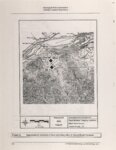
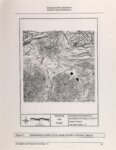
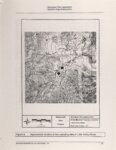
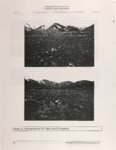
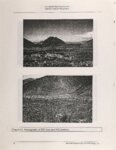
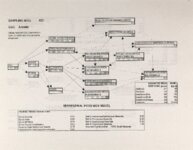
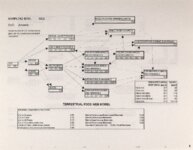
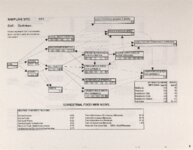
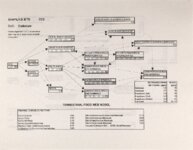
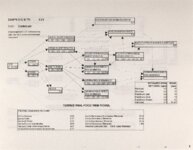
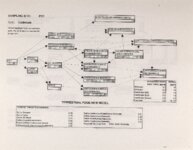
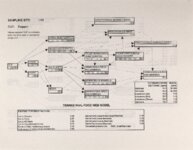
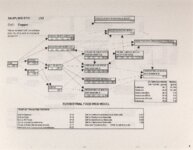
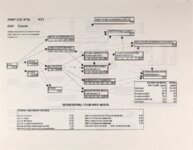
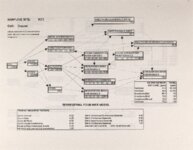
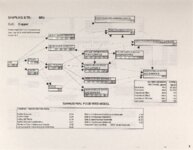
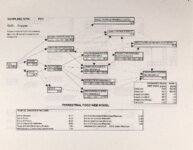
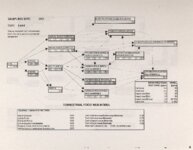
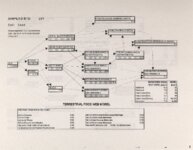
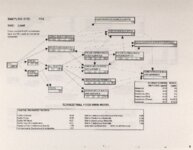
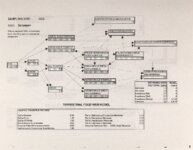
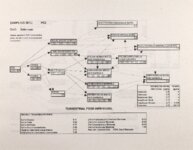
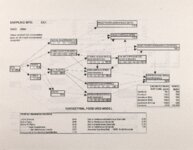
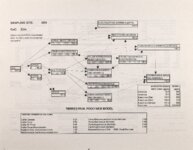
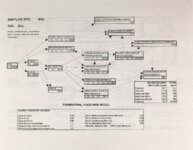
Show • Ecological Risk Assessment Northern Oquirrh Mountains 2.1.2.1 General Project Design To address questions related to dietary exposure of CoC to herbivores, insectivores, and camivores in the mountains, 11 intensive sampling sites were selected in five Oquirrh and plant concentrations canyons of the northern Oquirrhs representing a gradient of soil Rock Black in selected were (Figure 6), Kessler of CoC (Figure 5). Two sampling sites Wash (Figure 9), and three sites (Figure 7), and Coon Canyons (Figure 8) and Little Valley were selected in Pine Canyon (Figure 10), hereafter identified and referred to as BR 1, BR2, KC1, KC2, CC1, CC2, LV1, LV2, PC1, PC2, and PC3. The approximate elevations of sites within canyons were as follows: Coon Canyon, 1,830 m (6,000'); Little Valley Wash, 1,530 m (5,000'); Kessler Canyon, 1,590 m (5,200'); Black Rock Canyon, 1,470 m (4,800'); and Pine Canyon, 1,770 m (5,800'). The specific locations in these canyons were chosen because they included a gradient of soil concentrations of the CoC and they were areas where plant and wildlife species would be expected to occur (as opposed to steep The general design of the field study was to assess the concentrations of CoC and evidence of effects to small mammals in relation to the gradient of exposures mountain slopes). The study design contained a sufficient number of sample points at each site to allow for adequate characterization of the CoC, flora and fauna at each site. The following sections provide a brief review of the sample collection design and methods detailed in the to CoCo Sampling and Analysis Plan. 20 ecological planning and toxicology, inc. 1 |