| OCR Text |
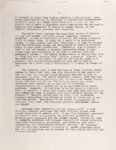
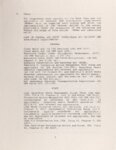
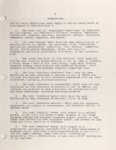
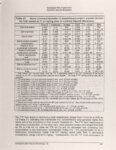
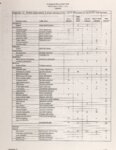
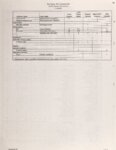
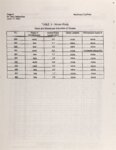
Show Ecological Risk Assessment Northern Oquirrh Mountains ground The surface. diets of shrews were estimated 98% as surface-dwelling invertebrates and 2% soil, whereas the diets of aerial and foliar insectivores were estimated as 100% invertebrates, based on the mean of all invertebrates collected (Le., surface-dwelling and foliar herbivorous and carnivorous invertebrates). Using the Se NOAEL of 4 ppm for most birds and ruminants, the risk quotients for Se in ground-feeding insectivores slightly exceeded 1.0 in KC1, BR2, PC1, and PC2, but The surface-dwelling invertebrate sample from KC2 reached 4.66 in KC2 (Table 29). contained 18.83 ppm Se, which was three times higher than the Se concentration in any other surface-dwelling invertebrate sample and higher than the foliar invertebrates at KC2. Selenium concentrations in surface-dwelling invertebrates at all sampling sites were considerably lower than the 140 ppm Se concentration found in the stomach contents of ornate shrews at the Kesterson Reservoir in California by Clark (1987). Risk quotients for As and Cu also slightly exceeded 1.0 in BR2. No shrews were captured during 1995, but this may be related to habitat quality at the sampling sites and to sampling techniques. The amount of dense vegetative cover suitable for shrews was very limited and snap traps baited with peanut butter may not have ' been the best method to assess their presence and abundance. Risk quotients (based on diet concentration/NOAEL) for Table 29. ground-feeding insectivores (e.g., shrews consuming dwelling invertebrates only) by sampling sites 1. surface- Site Arsenic Cadmium Copper Lead Selenium Zinc NOAEL 50 47 110 250 4 140 500 50 160 (mg/kg) LOAEL 1 5 1,500 II (mO/kg) CC1 0.02 0.07 0.35 0.01 0.16 0.00 0.30 CC2 0.01 0.07 0.47 0.01 0.19 0.01 0.38 0.32 LV1 0.38 0.06 0.56 0.03 0.78 0.02 LV2 0.04 0.06 0.54 0.02 0.59 0.02 0.32 KC1 0.49 0.03 0.47 0.01 1.41 0.04 0.21 KC2 0.02 0.09 0.81 0.01 4.66 0.13 0.38 BR1 0.74 0.05 0.81 0.09 0.68 0.02 0.15 BR2 1.66 0.04 1.54 0.07 1.04 0.03 0.33 PC1 0.13 0.17 0.25 0.08 1.14 0.03 0.37 PC2 0.30 0.57 0.48 0.39 1.18 0.03 0.89 PC3 0.24 0.13 0.26 0.11 0.87 0.02 0.24 , Diets of ground-feeding insectivores were calculated as 98% invertebrates and 2% soil. Invertebrate concentrations were based on the concentrations in only surface-dwelling invertebrates. Risk quotients >1 are presented in bold italics. Beyer ef al. (1985) also collected short-tail shrews (Blarina brevicauda) at a smelter site in Pennsylvania containing 710 ppm Cd, 440 ppm Cu, 2,700 ppm Pb, and 24,000 ppm Zn. 74 ecological planning and toxicology, inc. 1 |