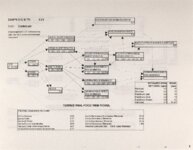
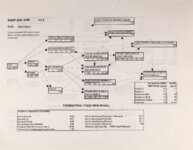
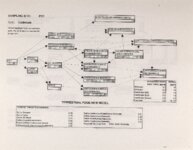
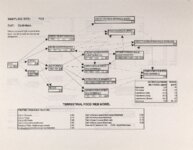
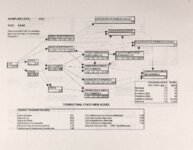
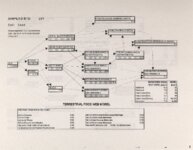
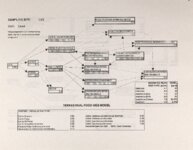
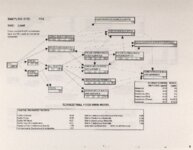
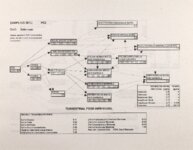
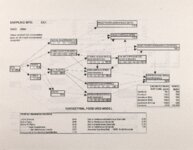
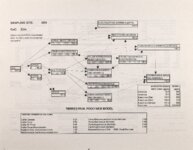
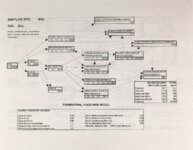
| OCR Text |
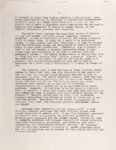
Show - Ecological Risk Assessment North Oquirrh Mountains Appendix 2 2.8 Selenium Selenium is a metalloid and is a required nutrient for animals at low concentrations (0.05 to 0.3 ppm; NRC, 1980) but causes both acute and chronic poisoning at higher amounts. Selenium toxicosis was first recognized during the late 1930s as causing reduced growth and hatchability 1 in chickens at > 5 ppm in food (Poley et al., 1937, 1941; Poley and Moxon, 1938). Shortly thereafter, in the early 1940s, Se was identified as the causative agent for huge losses in the livestock industry of South Dakota, Wyoming, and adjacent states (Osweiler et al., 1985). Most Se poisonings in livestock are caused by ingestion of seleniferous plants and it is widely believed that "olind staggers" and "alkali poisoning" of livestock reported by early settlers of the arid west were manifestations of Se toxicosis. During the intervening years between the 1940s and 1980s relatively little attention was paid to Se polsoninq in terrestrial systems. Eisler (1985) reviewed the literature and reported several additional chicken studies from the 1970s with reproductive malformations (teratogenesis) and hatchability effects when Se is ingested at a rate of 6 to 9 ppm in feed and reproductive anomalies in rats, mice, swine, and cattle at similar concentrations. This information about domestic animals was reviewed in greater detail by the NRC (1980). It is informative that prior to the mid-1980s there were no reports of Se toxicosis in wild birds or mammals, despite anthropogeniC sources of elevated Se such as disposal of fly ash from coal-fired power plants and mining of phosphates and metal ores (Eisler, 1985; Ohlendorf, 1989). Subchronic selenosis ("blind staggers") is characterized in cattle, sheep, and horses by impaired vision; abdominal pain, anorexia, ataxia, paralysis and death (Osweiler, 1985). Although this syndrome is well-described and most frequently attributed to selenosis, there is some debate as to whether or not plants in the Astragalus genus also contain toxic alkaloids that may be the Be that as it may, there are a few references in the literature that Those that assessments of subchronic oral toxicity of Se compounds. actual cause of the syndrome. provide quantitative provide data useful for a quantitative risk assessment are detailed below and are also concisely evaluated by the US EPA (1984) and summarized by the NRC (1980). Chronic exposures to Se ("alkali disease") are characterized by lack of vitaHty, anemia, stiffness of joints, deformed and sloughed hoofs, roughened hair coat, and lameness (Osweiler, 1985). Again, there are only a few quantitative exposure-response studies reported in the literature. 2.8.1 Toxic Effects 2.8.1.1 Domestic Animals Osweiler (19B5) stated that hair loss in cattle due to Se ingestion is first observed between 3 and 10 ppm and in horses occurs at 11 ppm, although no supporting data are presented. The NRC (1980) and Eisler (1985) cite several other studies in cattle and sheep but all were single applications (acute effects). Eisler (1985) states that livestock are protected against selenosis when diets contain less than 4 ppm Se. Therefore, a ruminant NOAEL is estimated at 4 ppm and a LOAEL value is similarly estimated at 10 ppm. Miller and Williams (1940) fed two horses per group 24, 48, or 96 ppm sodium selenite in feed four months and reported emaclatlon, listlessness, hair loss, sloughing of hooves, hemorrhagic and cirrhotic liver, and death at all concentrations. Similar signs were seen in one horse fed 115 ppm Se as sodium selenite in feed. for Herigstad et al. (1973) fed swine 0.1, 5, 10, 20, 45, 60, 100, 120, or 600 ppm Se as sodium selenite or selenomethionine. No adverse effects were observed up to 10 ppm. At 20 and 45 ppm, weight loss and obvious discomfort were observed, with death occurring at concentrations 18 ecological planning and toxicology, inc. 1 i |