| OCR Text |
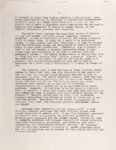
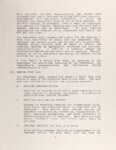
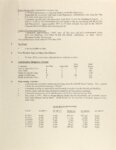
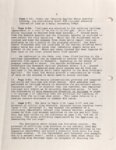
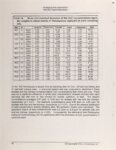
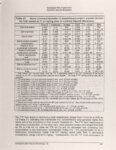
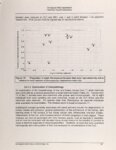
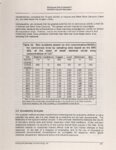
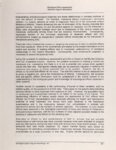
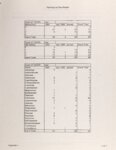
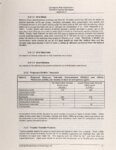
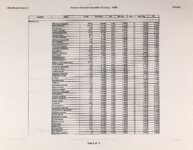
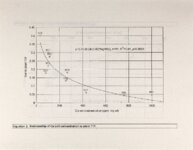
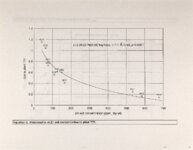
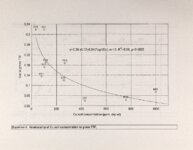
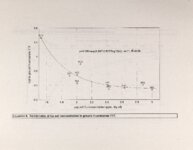
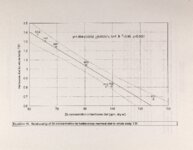
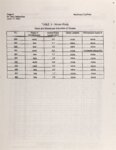
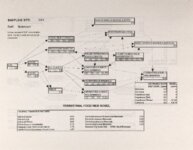
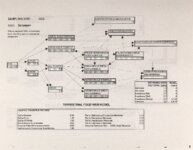
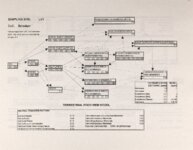
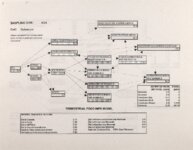
Show - Ecological Risk Assessment Northern Oquirrh Mountains (based on diet concentration/NOAEL) for omnivorous Peromyscus by sampling sites 1. Table 27. Site NOAEL Risk quotients Arsenic Cadmium Copper 30 15 50 I, Selenium Zinc 4 500 250 30 425 325 10 1,000 I, T II (mg/kg) LOAEL Lead 30 38 II II (mg/kg) -,. CC1 0.03 0.20 0.98 0.12 0.10 0.14 0.24 CC2 0.04 0.24 0.98 0.12 0.06 0.21 0.28 LV1 0.17 0.21 1.80 0.22 0.26 0.47 0.26 LV2 0.06 0.17 1.91 0.23 0.26 0.55 0.23 KC1 0.13 0.20 1.91 0.23 0.06 1.55 0.23 KC2 0.06 0.20 2.01 0.24 0.08 2.72 0.26 BR1 0.25 0.08 3.12 0.37 0.67 1.10 0.19 BR2 0.44 0.08 3.15 0.38 0.31 1.03 0.23 PC1 0.15 0.39 1.07 0.13 0.99 0.58 0.35 PC2 0.14 0.70 1.38 0.17 1.38 1.35 0.45 PC3 0.16 0.32 1.39 0.17 0.95 0.76 0.28 I, t II Diets of Peromyscus were calculated as 61 % invertebrates, 37% vegetation, and 2% Vegetation concentrations were based on the average of all plant samples collected. Invertebrate concentrations were based on the average of surface-dwelling invertebrates and foliar herbivorous and carnivorous invertebrates. Risk quotients =:1 are presented in soil. bold italics. significant positive correlation between dietary Se concentration (Figure 23) and the captured was observed, even though the Se concentrations in Kessler Canyon and PC2 exceed the established NOAEL of 4.8 ppm for monogastric herbivorous mammals. The highest dietary Se concentrations, as well as the highest number of Peromyscus, are found in Kessler Canyon, suggesting that these dietary Se concentrations for Peromyscus stiU are below the toxicity threshold and do not inhibit survival or reproduction. A number of Peromyscus There was no significant relationship between the estimated dietary concentrations of CoC and the rates of reproductive activity among adult Peromyscus. However, this relationship is affected by the small number of adult females captured at several of the sampling sites. Although the proportion of adult females that were reproductively active at sampling sites in Kessler Canyon (48 to 63%) was lower than in Pine Canyon (91-100%), this may reflect a density-dependent feedback to slow population growth, since the numbers of Peromyscus per unit area in Kessler Canyon were extremely high (e.g., 50 captured/ha in KC2). The highest density of Peromyscus maniculatus reported in the literature ranged from 12.7-45.5 animals/ha in British Columbia (Sullivan 1979). 68 ecological planning and toxicology, inc. |