| OCR Text |
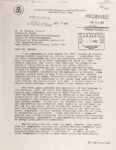
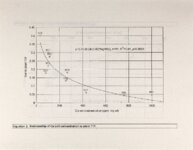
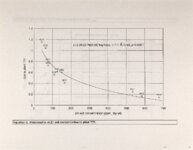
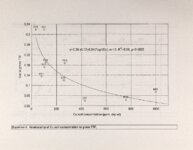
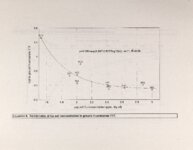
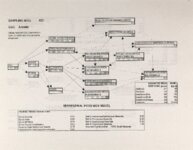
Show GSL? (how should this be determined?) What would be an adequate study design .for gathering co-located water and brine shrimp selenium samples needed to derive a regression equation to be used in predicting a "safe" . waterborne selenium criterion for the GSL? conditions? Would the study conducted by Kennecott satisfy those Is the 27 ug/I value applicable to and protective of the GSL as a whole? (if not, what additional work needs to be done to derive such a criterion?) . What is the fate/transport of selenium discharged to the GSL? Are the tests underlying the proposed selenate/sulfate relationship sufficient to support the proposed relationship for acute criteria? Based on an assessment of the above issues, is a mixing zone appropriate? Would it be appropriate to apply the Adams et at. "global selenium model" to the GSL and focus the site-specific discussions solely on the input values and data analysis issues? (i.e., could the global model eliminate the need for further in situ studies?) Approach to the current permit As indicated above, there appear to be a fair number of issues that need to be resolved in evaluating the protectiveness and appropriateness of the 27 ug/l value as a site-specific criterion for the GSL. An approach, and the one I believe you are suggesting, would be to accept the 27 ug/I value as the basis for selenium limits in the current permit with the condition that the needed work be done to resolve the scientific uncertainties underlying the derivation of that value. In effect, the 27 ug/I value would be considered an interim value (which, it could be argued, is true for was in general), subject to change based on the outcome of the technical evaluation of 'its derivation. The evaluation would be done by the team you describe. It may be possible to add a proviso that, if no consensus resolution of the science issues can be reached, EPA intends to exercise its authority and derive and, if necessary, promulgate what it would consider to be a protective selenium criterion for the GSL. To commit the Agency to a potential promulgation, however, we need concurrence from HOs. As indicated in my earlier e-mail, the difficulty in making that commitment will likely be the nature of the criterion, a wildlife criterion, and the commitment of resources that would likely be necessary to derive a selenium criterion for the GSL on our own. I will write a letter to Bill Moellmer explaining the need to resolve the issues discussed above and formally address the selenium criterion issue for the GSL in their standards. Hope this helps. Bill |