| OCR Text |
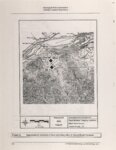
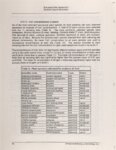
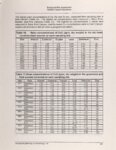
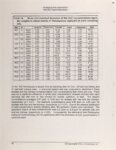
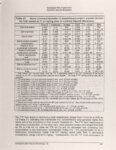
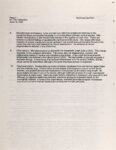
Show 7 sa "i impoundment process fluids? If ultimately result in failure of the shallow aquifer. this situation could Bonneville the clay layer so, over The FEIS should present the mill feed clay mineralogy and concentration. If ,clays are present, the rejected drill samples should be reevaluated for the concentrated presence of this material in the lower stratigraphic layers of the impoundment. . For reference, the presence of clay minerals in the ore and in feed to the mill led to the formation of natural clay layer(s) The presence of in the Climax Mine tailing ponds in Colorado. this clay material, according to the site manager, resulted in the partial sealing of the bottom of these impoundments (Conversation with Amax-Climax Manager Robert Kilborn and EPA Mine Waste representatives Orville Kiehn and Rob Walline during an EPA site tour) . What plugging or sealing procedure Pages 3-97, 3-99, 3-104: used to prevent any future leakage of process fluids into the shallow aquifer from the boring (NET449D) drilled into the native soil beneath the tailings, the wells completed in the tailings impoundment, and the borings through the phosphogypsum stack? 14. was in point of that concern, at the Chino Smelter in drill holes through the smelter waste pond sediments, liner' and into the underlying aquifer strata have allowed smelter waste pond fluids to flow downgradient as a plume of .' contamination, resulting in a threat to water quality of a water supply and recreation reservoir. As New a case Mexico, "Based on the Liner Alternative 15. Page 3-100, Bullet 5: Report by Morrison-Knudsen Corporation (1993), a continuous Bonneville Clay thickness of at least 3 feet is needed to meet What is the technical basis for the natural liner requirements." 3 The DElS of feet? should also address the adequacy requirement of the clay liner to withstand seismic events of the magnitude for which the impoundment is being designed. Areas where the clay layer is less than 3 feet thick should Are there any known areas where the indicated on a figure. to be breached is (Tordon area, Tordon trenches, suspected clay foundations of Chevron and 'Morton Salt, ditches, canals, ponds)? The referenced reports give some indication that this may be the case for the Chevron plant foundations. be 16. b Page 3-104: Were slag samples ,crushed and screened to Fresh surfaces would expose new specifications prior to testing? areas for leaching relative to'pre-weathered slag. We note that the Synthetic Leaching Procedure (SPLP) data given in the table is cited, but does not appear in the reference list. In the referenced report, only the SPLP data set, and not the Toxicity |