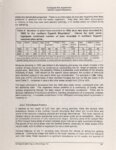
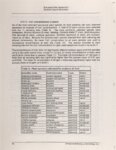
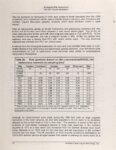
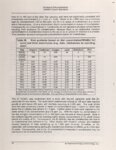
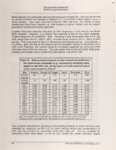
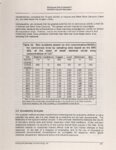
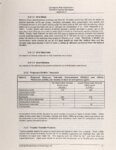
| OCR Text |
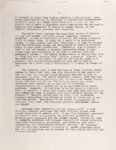
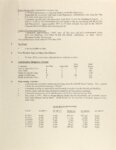
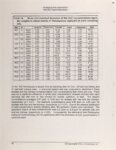
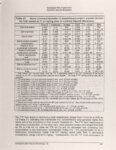
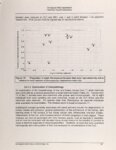
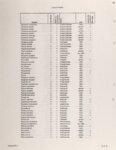
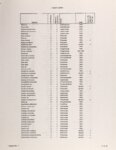
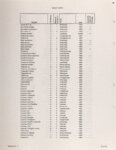
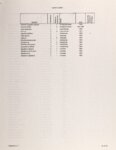
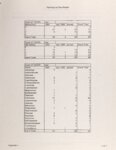
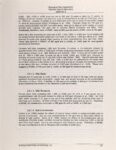
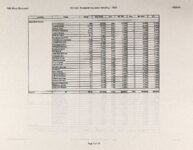
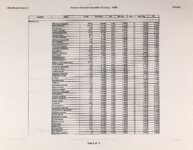
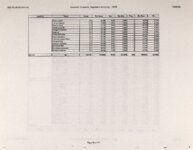
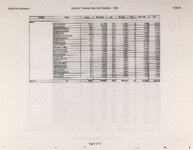
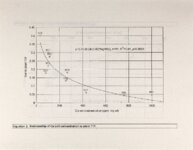
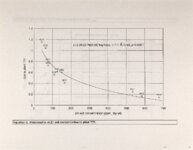
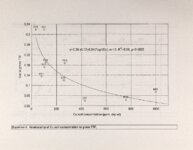
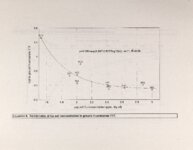
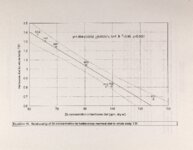
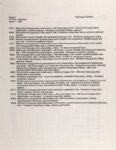
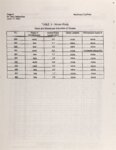
Show - Ecological Risk Assessment Northem Oquirrh Mountains Number of liver and kidney samples by species and sampling Table 24. site examined for histopathological changes. 1 Peromyscus Perognathus Reithrodontomys Tamias Total min im us montanus mega/otis parvis spp. Microtus Sampling site II II CC1 0 5 0 0 0 5 CC2 1 6 0 0 0 7 0 6 0 0 0 6 1 6 0 0 0 7 0 6 LV1 II II lV2 KC1 0 6 0 0 KC2 0 6 0 0 0 6 BR1 0 7 0 1 0 8 BR2 II 0 5 2 1 0 8 PC1 0 4 1 0 1 6 PC2 3 3 0 0 0 6 PC3 1 4 1 0 0 6 Total 6 58 4 2 1 71 Eleven animals (2 Microtus and 9 Peromyscus) had inclusion bodies in their kidney cells. These inclusion bodies were stained with a special acid-fast stalin but did not take up any color. Inclusion bodies associated with lead or other metals generally are able to take up the stain (Le., are acid-fast). Moreover, the inclusion bodies were not associated with any cellular degeneration or necrosis as would be expected with metal poisoninq. All of these animals also had inflammation in the kidney, but the area of inflammation was not suggesting these are unrelated events. Five other animals also had inflammation of the kidney without showing any intranuclear inclusion associated with the inclusion bodies, bodies. The concentration of metals in the livers of the animals showed no correlation with the severity of kidney inclusion bodies. In fact, the two animals with the greatest severity of inclusion bodies had very low metals concentration in the liver (Cd of 0.2-20 mg/kg d. w.; Cu of 10-20 mg}kg d.w., and Pb of 0-5 mg/kg d.w.) while those with the highest Hver One Microtus with a large number of inclusion bodies also had inflammation and degeneration in the liver and other changes associated with a chronic parasite infestation. Tne severity of renal tubular inclusions is presented as concentrations had no inclusion bodies. index scored from 0 to 5, with 0 = none, 1 = minimal, 2 = mild, 3 = moderate, 4 = marked, and 5 = severe in relation to the liver concentrations of cadmium (Figure 20), an copper (Figure 21), and lead (Figure 22). The mean score for renal tubular inclusions was the highest in Coon Canyon and lowest in Black Rock Canyon {Table 25), but all were in the range from none to minimal. 58 |