| OCR Text |
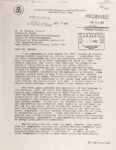
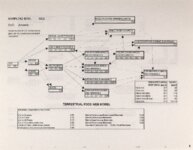
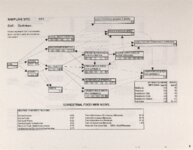
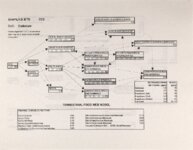
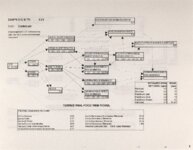
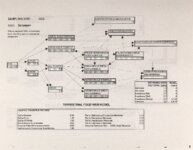
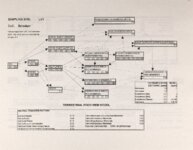
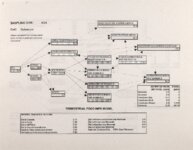
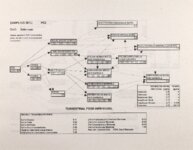
Show 4 bioavailability. Additionally, the biomagnification of selenium n the because animals can EIS that is not expected burdens of selenium. states food chain regulate their body EPA questions the basis for the statement regarding biomagnification for selenium concentrations which are projected to exceed chronic levels. Also, the conclusion that deep water precipitation would limit bioavailability appears'questionable, given that discharges take place in the Lake's long, shallow shoreline where uptake in the food chain is more likely. The shallow receiving waters provide a potential for bioaccumulation in algae, a food source for brine shrimp. The brine shrimp, in', turn, serve as an important food source for migratory waterfowl. We also note that the Domagalski study, referenced in the DEIS, suggests that metal concentrations in lake sediments have been increasing. would suggest further coordination of this portion of analysis with the u.s. Fish and Wildlife Service (USFWS). The USFWS recently collected brine shrimp to analyze for metals concentration related to their suitability as a food source for waterfowl. We also recommend performing a limited number of bioassay experiments to more definitively determine the potential impact of the proposal on brine shrimp and algae. We the Pages 3-49 and 3-111: As an effect of rerouting the C-? Creek may overflow due to the increased volume. Much of the present Lee Creek channel and flow spreads out across the mud and alkali flats prior to reaching the GSL shoreline. The additional flow in Lee Creek may result in more areal Will the creek channel be confined by constructed ponding. dikes? Are there any plans to mitigate the potential large areal 5. ditCh, Lower Lee ponding? discussion on "Impacts of Proposed Changes on Lake" does not address the large discrepancy in determining the water quality of the Great Salt Lake, based on the State of Utah / U.S. Geological Survey data set and the data sets of Tayler et. ale and Domagalski et. ale EPA plans to evaluate the analytical methodologies of the studies in an attempt to resolve those differences later this year. 6. 3-69: Salt The Great The document indicates "There is no Page 3-77, Paragraph 2: evidence that the direction of regional ground water flow has been reversed in the Magna area. Water level gradients in the indicate that area water flow is towards the ground Magna Further, ground water quality in the Magna tailings impoundment. area shows no effects from the discharge of tailings water." What is the basis 'for this conclusion? The water level elevations in Figures 3-12 and 3-13 do not appear to support this statement and may even suggest otherwise. The Final EIS should referenced data to this conclusion. It Magna support present 7. |