| OCR Text |
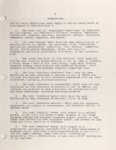
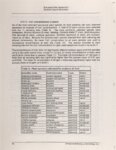
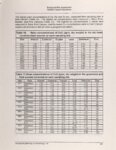
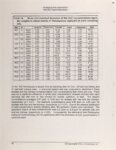
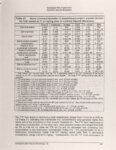
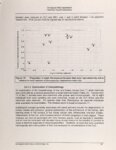
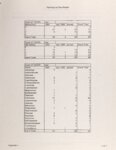
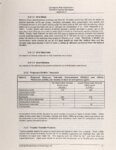
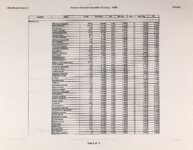
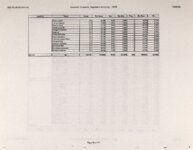
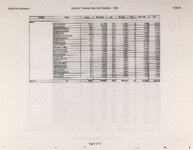
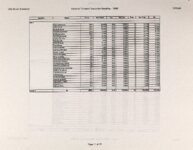
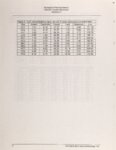
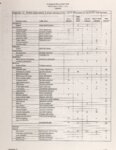
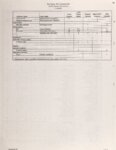
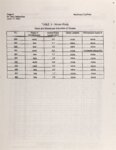
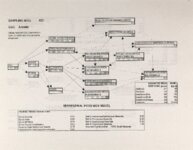
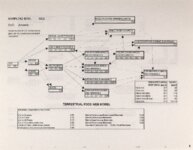
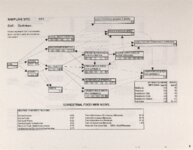
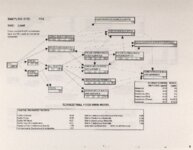
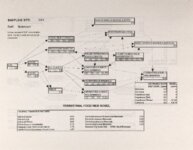
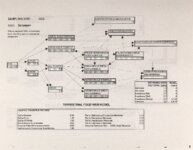
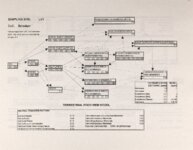
Show Ecological Risk Assessment Northern Oquirrh Mount-Ains 2.3.3 Exposure Profile of CoC in Insectivore Food Chains Measured CoC concentrations in invertebrates were lower than estimated in the Screening that Level trophic transfer factors were lower than assessment, indicating site-specific published literature. However, CoC concentrations in invertebrate samples generally were higher than in plant samples from each sampling site. those from significant differences in CoC concentrations were observed using paired t-tests comparing surface-dwelling vs. foliar invertebrates or comparing foliar herbivorous vs. No Aerial insect CoC concentrations were below the mean of the surface-dwelling and foliar invertebrate samples for most CoC, but samples were collected carnivorous invertebrates. sampling sites. Consequently, insectivore diets were estimated by using the mean of the surface-dwelling and foliar invertebrate samples. To address the potential for intentional or accidental ingestion of soil, diets for ground-feeding insectivores were assumed to consist of 98% invertebrates (using the invertebrate mean concentration) plus 2% soil (using the soil concentration for each CoC). Although the soil was assumed to be only 2% of the overall diet based on the omnivorous white-footed mouse (Peromyscus leucopus) from Beyer et a/. (1994), its influence on the calculated CoC concentration in the diet varied considerably among CoCo The percent contribution of soil was calculated for each sampling site and averaged for each CoC (Table 20). The calculated diets for each The insectivore diet derived CoC and each sampling site are found in Appendix 7. from soil compared to approximately 9% for Cu, approximately 4% of the Cd, Se, and Zn The high soil contribution from Pb resulted from soil 26% for As, and 35% for Pb. concentrations approximately one to two orders of magnitude higher than in invertebrates. at only three of the 11 Although Peromyscus, the most common mammal on all sampling sites, consume invertebrates as a large portion of their diet, they also eat seeds and vegetation. Based on Flake (1973), the stomach contents of Peromyscus were 58.6% invertebrates and 35% plant material by volume (93.6% of total with the remainder unexplained). Beyer et a/ .. (1994) estimated that the diet of the white-footed mouse contained <2% soil. The diet of Peromyscus in this assessment was assumed to consist of 61 % invertebrates, 37% plants, and 2% soil for each CoC at each sampling site. Carnivorous birds and mammals may consume a diet consisting of varying proportions of mammals and birds, as well as occasional plants and invertebrates. However, in this assessment it was assumed that a diet 'consisting of small mammals (based on the 95% upper confidence limit of the mean concentration in all mammals collected from each sampling site) adequately represented dietary CoC concentration. The amount of soil found in the largely unknown. Beyer et a/. (1994) presented estimates for the raccoon and red fox from Maryland. However, the raccoon has a diet consisting mostly of insects and aquatic organisms (USEPA 1993). Also, estimates of soil ingestion for both species are based on small sample sizes and assumed rates of digestibility. Given the uncertainties and lack of information on the ingestion of soil by carnivores, the diet of carnivorous birds and mammals in this assessment was calculated as consisting of small an estimate of the carnivore diets of carnivores is mammals only. ecological planning and toxicology, inc. 51 |