| OCR Text |
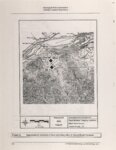
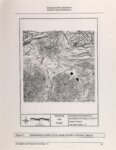
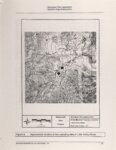
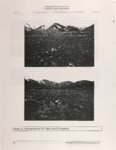
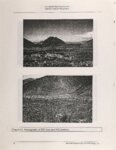
Show - Ecological Risk Assessment Northern Oquirrh Mountains including the canyons of the northern Oquirrh Mountains and the KUC-owned wetlands along the south shore of the Great Salt Lake (Figure 1). 1 The canyons of the northern Oquirrh Mountains, from the north end around to the southeast, are Black Rock Canyon, Kessler Canyon, Little Valley Wash, Coon Canyon, Bameys Canyon and Bingham Canyon (Figure 1). The three northern most canyons (Black Rock, Kessler, and Little Valley) are situated directly behind the Garfield Smelter, where past releases of sulfur, fluoride, heavy metals and metalloids adversely affected vegetation, resulting in erosion of top soil. In 1977, two 300 foot high emission stacks were replaced with a 1,200 foot high emission stack with improved pollution control equipment and a continuous feed reactor. In 1995, a new smelter was brought on line that si'gnificantly reduced emissions of all these chemicals. Harkers Canyon, Shortly after the 1977 smelter upgrade, re-vegetation efforts began in earnest on the north end of the Oquirrhs and continue to the present, with extension of efforts to Pine Canyon and areas near the Bingham Canyon mine. Examination of photographs taken in the 1960s and 1970s show almost no vegetation on the north end of the Oquirrhs (Sharma et a/. 1974). This area now supports a vegetative community made up of both perennial and annual plants. The proportion of weedy taxa is less than 50%; the remainder of the taxa are late successional stage plants (prtmarily native flora). Comparisons of descriptions of flora in the northern Oquirrhs by Eastmond (1971) with information gathered during the 1994 Screening Level Ecological Risk Assessment shows that the vegetation has been undergoing expected successional changes during the past 20 years. Plant communities are becoming more diverse, with more than double the plant species documented since the mid-1970s. Questions persist regarding the appropriateness of the plants vegetative cover in the Northern Oquirrhs. used to reestablish Three important features are germane to the discussion: 1. The first objective in re-vegetation efforts is to get some plants established. This often entails planting of a "cover crop" or a "nurse crop." Such species typically are short-lived, semi-weedy species. 2. The environmental conditions of the Northern Oquirrns, as part of the Basin and Range Physiographic province, are harsh. Periods ot severe drought are common. Summer temperatures are very high and winter temperatures are very low. Getting plants established is chaUenging. 3. Mr. Paul Rokich began the work of re-vegetation nearly three decades before native plant seed and nursery stock were commercially available. In fact, his successes in establishing native glrasses, forbs, and shrubs and the expertise he acquired in doing so were shared with the founders of Native Plants, Inc. NPI, formed in the mid-1970s, was one of the first commercial ventures that promoted land reclamation with native species. Analysis of the species Mr. Rokich used attests to his commitment to use native species on all lands above the Bonneville Level. Of the 99 species used in re-vegetation, 71 are native to central Utah (according to Welsh et a/., 1993). Only 21 are early successional, 2 ecological planning and toxicology, inc. |