| OCR Text |
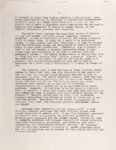
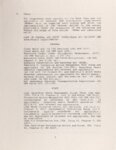
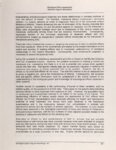
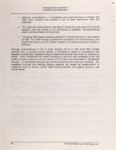
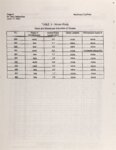
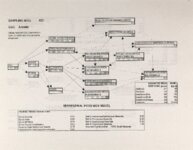
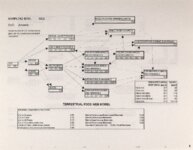
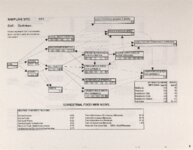
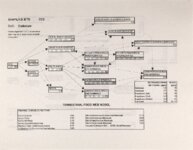
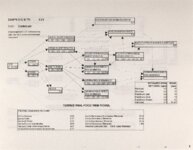
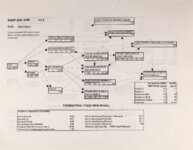
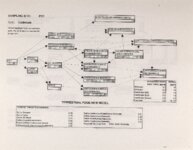
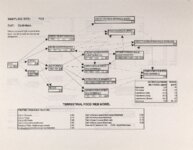
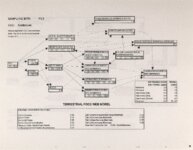
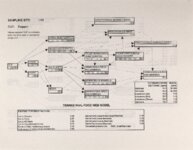
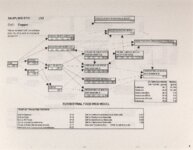
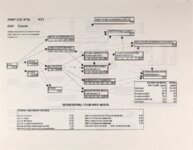
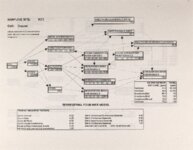
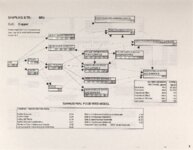
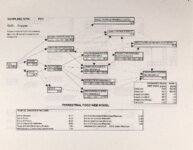
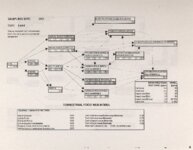
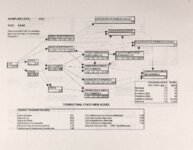
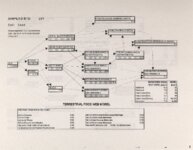
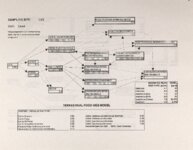
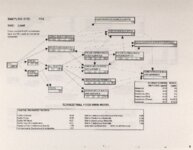
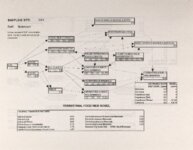
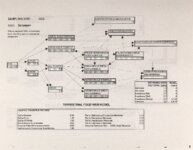
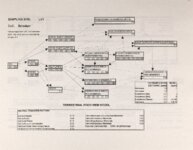
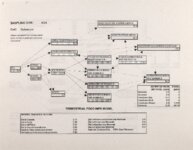
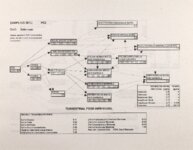
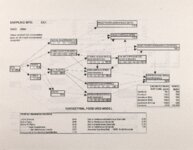
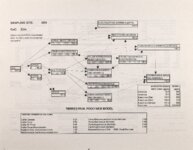
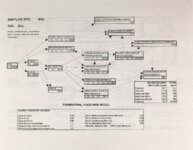
Show - Ecological Risk Assessment Northern Oquirrh Mountains Risk quotients based on the ratio of CoC concentrations in the soil or animal diet to toxic were used to identify sites with specific CoC concerns. The toxic thresr- r)ld concentrations, threshold concentrations were derived from literature values and laboratory-based studies. Peromyscus and herbivore dietary concentrations of copper, lead, and selenium were greater than the no-observable-adverse-effect level (NOAEL) at' one or more of the sampling sites, but there were no measurable adverse effects from these CoCs on small mammals in field populations. CoC concentrations in the estimated diets of insectivores (e.g., shrews, chickadees, and bats) and carnivores were also near or occasionally exceeding projected effects thresholds at some sampling sites. The greatest potential for risk as measured in this study appears to be to some songbirds and some small mammals in Kessler and Black Rock Canyons from selenium in their (insectivorous) diets. The higher concentrations of selenium in the insectivore food chains was related to the dominance of selenium-occurring plants in these canyons. Foliar invertebrates feed on these plants and take up selenium into their bodies. are then Birds and mammals that feed upon these invertebrates exposed to selenium concentrations higner than those found in the soil. In summary, there was no evidence that birds and mammals that eat a diet totally or partially made up of plants are at risk from the CoC concentrations in the northern Oquirrh Mountains. Nor are birds and mammals which feed upon invertebrates at risk from arsenic, cadmium, copper, lead, and zinc. However, selenium is accumulating in a few plant species found in relative abundance in Kessler and Black Rock Canyons. While the concentration in plants was not found to be a problem for the plants, it does result in selenium levels in herbivorous invertebrates such that some song birds and mammals (bats and shrews) that feed on the invertebrates may be at risk. in small mammals in Kessler and Black Rock The concentrations of selenium Canyons may also present a risk to carnivorous wildlife species that feed on them. ii ecological planning and toxicology, inc. 1 |