| OCR Text |
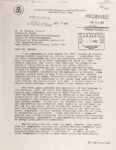
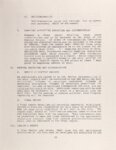
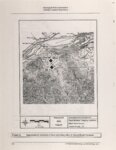
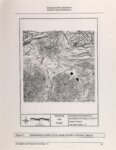
Show 3 '8 COMMENTS FOR THE KENNECOTT TAILINGS MODERNIZATION PROJECT DRAFT EIS U.S. sa EPA REGION "i The 2 (and subsequent project area figures): Figure 1 extent full the area to reflect should be revised study boundary of area impacted by the proposed action. The environmental impacts potentially affect portions of the Great Salt Lake, the 1. - lake 2 • shore, Page 2 reserves 8 and - impoundment impoundment, 3. the highway, the rail tracks, and portions of Magna. In t.he- event that 30 years, how would the tailings future expansion (raising the (Technical Cri teria Bullet 1): mining exceed 25 design accommodate new - expansion area)? Pages 3-17 and 3-51: The Draft EIS emphasizes the impact of The selenium on Great Salt Lake (GSL) biological resources. The discussion on limiting the analysis to selenium is unclear. quality analY$is should evaluate all parameters of the proposal which may adversely affect existing water quality, including State use designations. water ' s Page 3-51 states "Based on a review of the Utah standards, the watercourses in the vicinity of the existing tailings impoundment fall under Class 6 criteria, for which general Standards are set on a site-specific standards do not exist. basis for Class 6 waters, and have not been set for the waters under consideration. Thus, there are currently no applicable This section is not regulatory limits for the waters." completely accurate and requires further clarification. into the GSL are Class 6, classified as a Class 5 water with special use designations, which protect the Lake for primary and secondary contact recreation, aquatic wildlife, and mineral extraction (Standards of Quality for Waters of the State, R317-2-6.5, UDEQ, 2/16/94). Therefore, the Class 6 waters, which flow into the Great Salt Lake can adversely affect the Lake's EPA recommends that the analysis focus on all Class 5 status. in the discharge permit from the tailings listed parameters which impoundment, may impact the Lake's use classification. Although the Great Salt water Lake courses has flowing been 4. Because the toxic effects of selenium Page 3-37 and 3-38: and other metals on GSL organisms and impacts of bioaccumulation the aquatic biota conclusions appear are unknown at this time, On 3-37, page speculative. paragraph 4, the DEIS indicates that the selenium concentration in the West C-7 Ditch would increase to 170 mg/l (assumed to be Jlg/I) , a level, which exceeds state or fedeal standards for protection of aquatic biota (marine The EIS immediately discounts this effect by standards). suggesting that precipitation and dilution of selenium in the ,deeper waters and sediments of the Lake would limit its . |