| OCR Text |
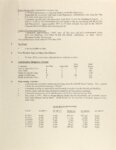
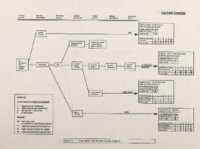
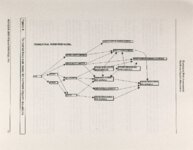
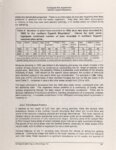
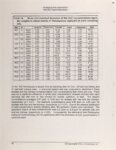
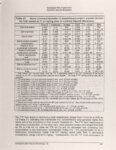
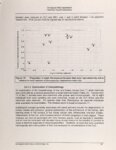
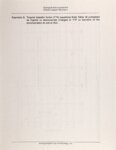
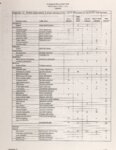
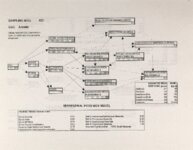
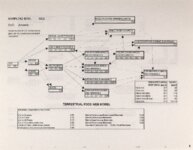
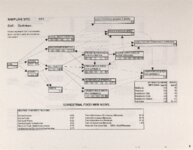
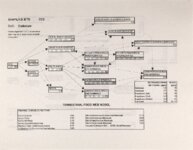
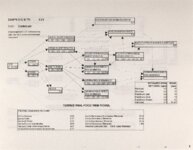
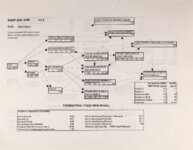
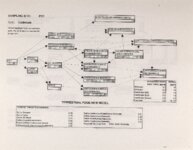
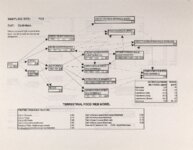
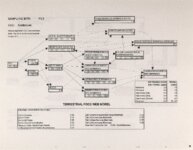
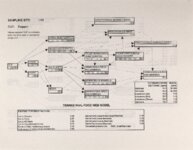
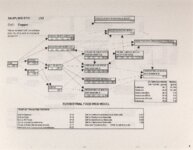
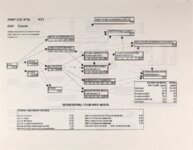
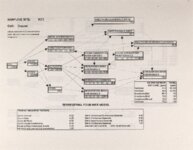
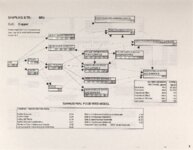
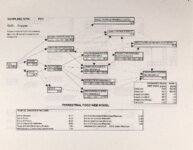
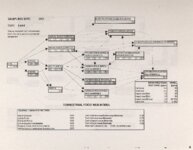
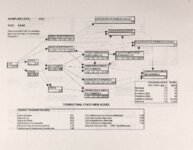
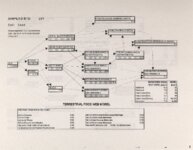
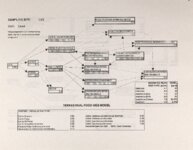
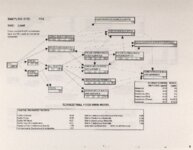
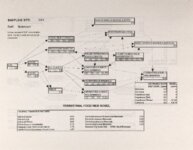
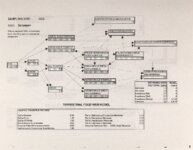
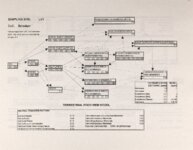
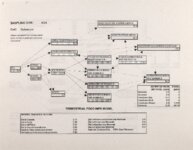
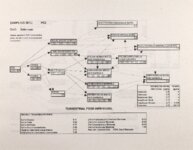
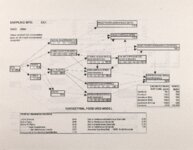
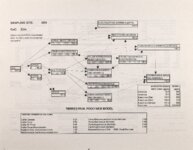
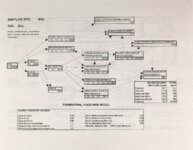
Show Ecological Risk Assessment Northern Oquirrh Mountains Appendix 12. Site-Specific Food Web Model for northern Oquirrh Mountains. This generalized model predicts the concentrations of each CoC in the invertebrates and vertebrates at each sampling site based on measured or estimated concentrations in food sources. Concentrations of CoC were measured in soil, the six of the most dominant plant species (forbs and grasses only), surface-dwelling invertebrates, foliar invertebrates (both sampling sites), and Peromyscus and separated Measured concentrations are presented in shaded herbivorous/granivorous species. boxes; estimated concentrations in unshaded boxes. Trophic transfer factors (TIF) calculated from measured values are presented as solid arrows between boxes; with herbivorous and carnivorous species), aerial invertebrates (in 3 of 11 small mammal whole bodies and livers as omnivorous estimated TTF as dashed arrows. Assumptions: • Ingestion of food is the most significant route of exposure to vertebrates, with water ingestion adding inconsequentially to overall exposure. The CoC concentrations in springs and other water sources in the northern Oquirrh canyons (as reported in the ERI-Logan document) were significantly lower than concentrations measured in food material such as plants, invertebrates, and small mammals. • Another potentially important route of CoC exposure to vertebrates is through the i,ngestion of soil. Soil ingestion may be intentional, as a source of minerals or grit, or inadvertent, such as when plants are covered with dust, invertebrates contain soil in their gastrointestinal tracts, or soil is accidentally consumed while probing or digging for food. Beyer et al, (J. Wildl. Manage. 58:375-382, 1994) reported that the estimated amount of soil in the diets of herbivores such as meadow voles, woodchucks, deer, elk, <2 to 2.8% and omnivores such as white-footed mice was <2%. In this model, the amount of soil ingested by herbivores and omnivores was estimated to be moose was 2% of the diet. • For most mammals (except bats), incidental soil ingestion (estimated at 2% of total diet) ranges from a minor (e.g., Cd, Se, and Zn) to a major (e.g., Pb) route of exposure depending on the relative concentration in soil to that of the remainder of the diet. • The concentrations of CoC in seeds was assumed equal to that of all plants. A review of the literature showed that the concentrations of CoC in seeds was similar to, or less than, the concentration in plant foliage. • The diets of herbivorous and granivorous mammals was estimated as 98% vegetation and 2% soil. Since there variety of herbivorous species without site-specific dietary preferences of herbivores, the CoC concentration in vegetation was estimated as the mean of the six dominant plant species collected' at each sampling site. information on are a the ecolog.ical planning and toxicology, inc. |